 Edinburgh Boilers Services
Thermostatic Radiator Valves Edinburgh - Do They Save Money?
Fitting thermostatic radiator valves (TRVs) is one of the simplest ways Edinburgh homeowners can cut heating waste without replacing a boiler. The valve sits on the inlet of an individual radiator and senses the air temperature in that room, closing off the flow of hot water once the target temperature is reached. No electricity is needed; the mechanism is entirely mechanical, using a wax or liquid capsule that expands and contracts with the ambient heat.
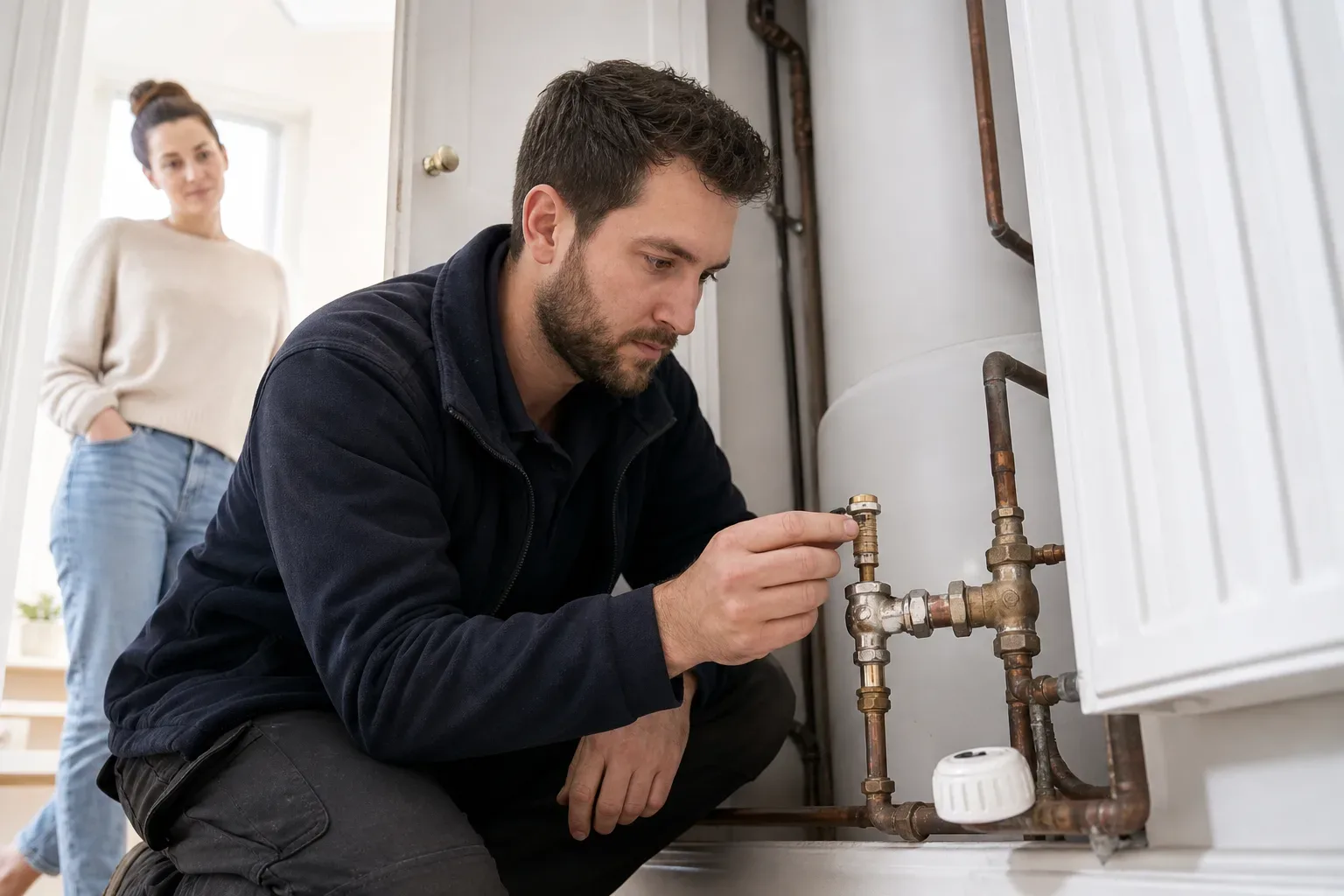
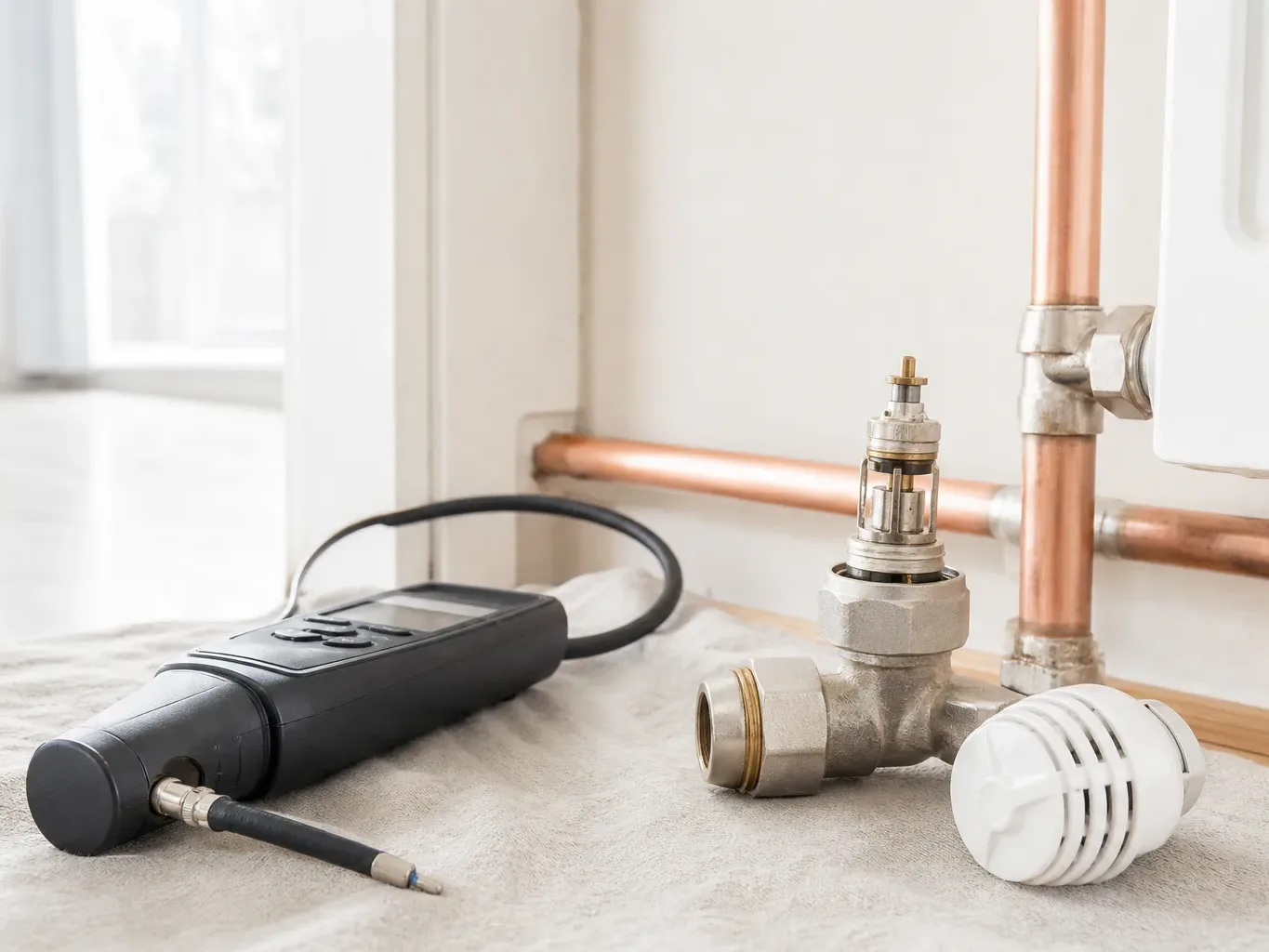
What Are Thermostatic Radiator Valves and How Do They Work?
A TRV replaces the standard manual valve on a radiator and automatically regulates how much hot water passes through, based on the room temperature rather than a fixed setting. The numbered dial, typically 1 to 5, corresponds to a rough temperature range: setting 3 on most brands equates to around 20°C. When the room hits that temperature, the valve closes. When the room cools below it, the valve reopens and the radiator heats up again.
This matters most in rooms that gain heat from other sources: a south-facing Edinburgh living room on a bright December afternoon, a kitchen already warmed by cooking, or a bedroom where body heat builds overnight. Without a TRV, the radiator in those rooms keeps pumping heat in regardless, wasting gas and making the space uncomfortably warm.
Smart TRVs add a layer of control. They connect to your phone or a central hub and let you set schedules per room, check temperatures remotely, and receive usage data. Brands such as Tado, Drayton Wiser, and Honeywell Home are common in Edinburgh installations.
Do Thermostatic Radiator Valves Save Money on Heating?
Yes, TRVs reduce heating bills by preventing radiators from running at full output in rooms that have already reached the desired temperature. The saving depends on how many rooms benefit and how much those rooms were previously overheating. Homes with older manual valves left permanently open tend to see the greatest improvement.
The rule of thumb used by heating engineers is that cutting a room's average temperature by just 1°C can reduce that room's heating demand by roughly 10%. In a tenement flat in Morningside or a Victorian semi in Bruntsfield, where rooms vary considerably in solar gain and usage patterns, TRVs on every radiator except the one in the room containing the main thermostat can produce a meaningful combined reduction.
One radiator upgraded with a supply-and-fit cost of £250–£500 is a realistic benchmark for professional installation. When TRVs are fitted across all radiators at the same visit, the per-unit cost typically falls because the engineer's time is shared across the job. The payback period varies, but most homeowners recoup the installation cost within a few heating seasons.
Why One Radiator Needs to Stay Without a TRV
The radiator in the same room as your central thermostat should keep its manual valve or a lock-shield, not a TRV. If a TRV closes that radiator, the thermostat loses its reference point and your boiler can short-cycle, running inefficiently. A Gas Safe registered engineer will identify this room during installation and advise accordingly.
How Much Do Thermostatic Radiator Valves Cost in Edinburgh?
Professional supply and fit of a single radiator with a TRV in Edinburgh typically falls in the range of £250–£500, which includes the valve, the thermostatic head, and labour to connect it to your existing pipework. The valve hardware itself is a small part of that cost; most of the spend is engineer time, especially if the system needs draining down or if the existing valve is corroded and difficult to remove.
Several factors push the cost towards the higher end of the range:
- Valve condition: Old, seized, or corroded valves require more time to remove safely.
- System pressure: Pressurised sealed systems need careful draining and refilling, adding time.
- Radiator location: Radiators in awkward positions, such as under low window sills common in Edinburgh tenements, take longer to work on.
- Smart valve upgrade: Smart TRVs cost more in hardware than standard mechanical heads.
If you are adding a radiator at the same time as fitting TRVs, factor in the full supply-and-fit cost of £250–£500 per radiator including the thermostatic valve. Combining both tasks in one visit avoids a repeat call-out charge.
Getting an Accurate Quote
Ask any Edinburgh heating engineer to quote per valve and per visit separately, so you can compare like-for-like. A reputable firm will inspect the existing valve condition and system type before quoting. Be cautious of quotes that do not mention whether draining the system is included.
Can I Fit Thermostatic Radiator Valves Myself in Edinburgh?
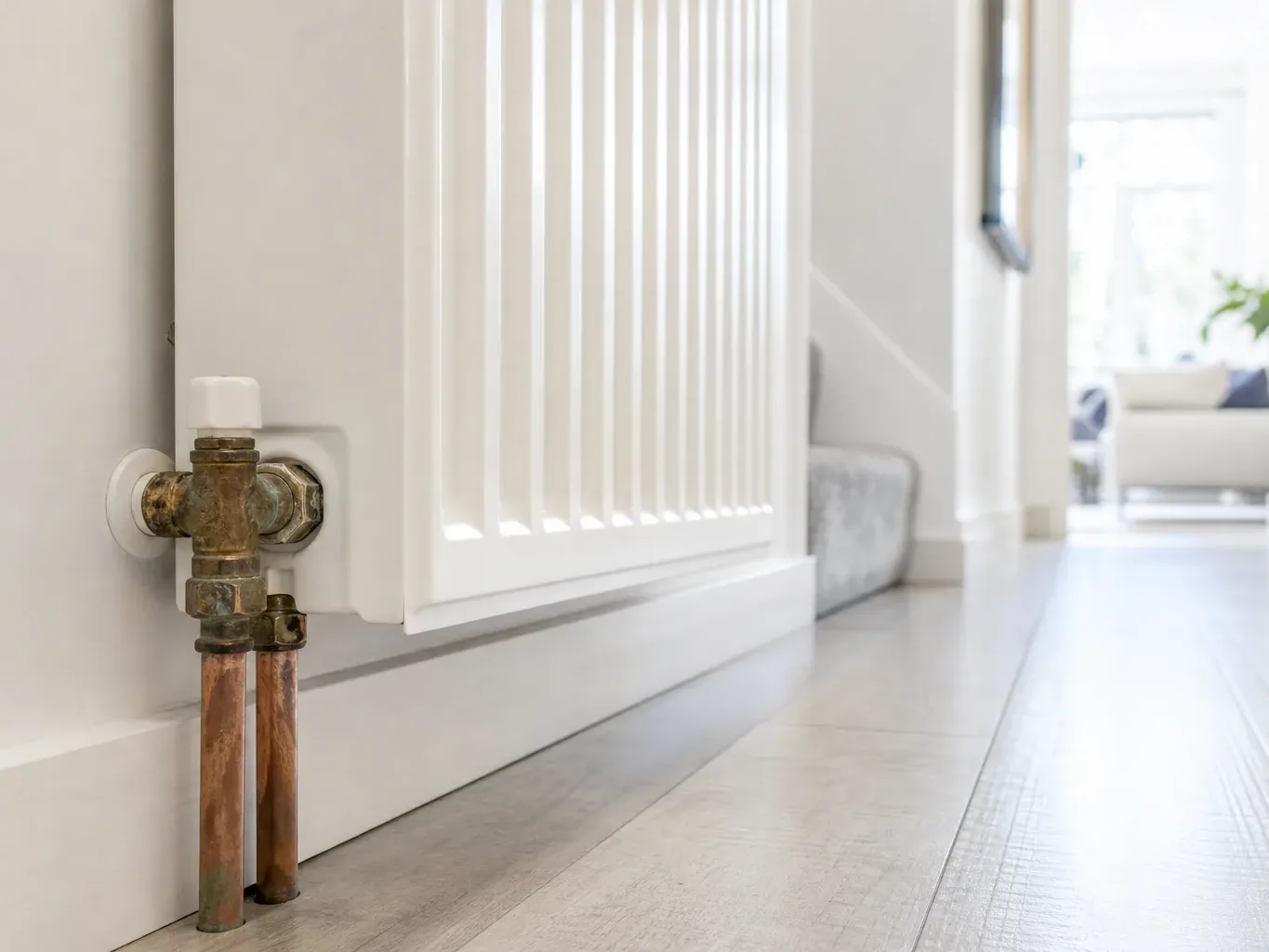
You can legally fit a TRV yourself in Edinburgh on a sealed (pressurised) system, provided you are replacing a like-for-like valve and not altering the gas pipework or boiler. TRV installation involves working only on the water circuit, which is not gas work and therefore does not require Gas Safe registration.
That said, the practical risks are real. Draining a pressurised system incorrectly can introduce air locks. Over-tightening compression fittings on older copper pipe causes leaks. If the existing valve body is corroded, the threaded connection to the radiator can shear, leaving you with a radiator that cannot be isolated.
For most Edinburgh homeowners, the sensible approach is to hire a Gas Safe registered heating engineer for the first installation, particularly if the system is older or if you are upgrading several radiators at once. For a single new radiator in a well-maintained system, a confident DIYer with plumbing experience can follow manufacturer instructions carefully.
When to Always Use a Professional
Call a Gas Safe registered engineer if the existing valve body is visibly corroded, if the system is an older open-vented type with a feed-and-expansion tank in the loft, or if the radiator is on the same pipe run as the boiler's primary circuit. These situations carry a higher risk of leaks or pressure loss that could damage the boiler or surrounding fabric of your home.
Choosing the Right TRV for Your Edinburgh Home
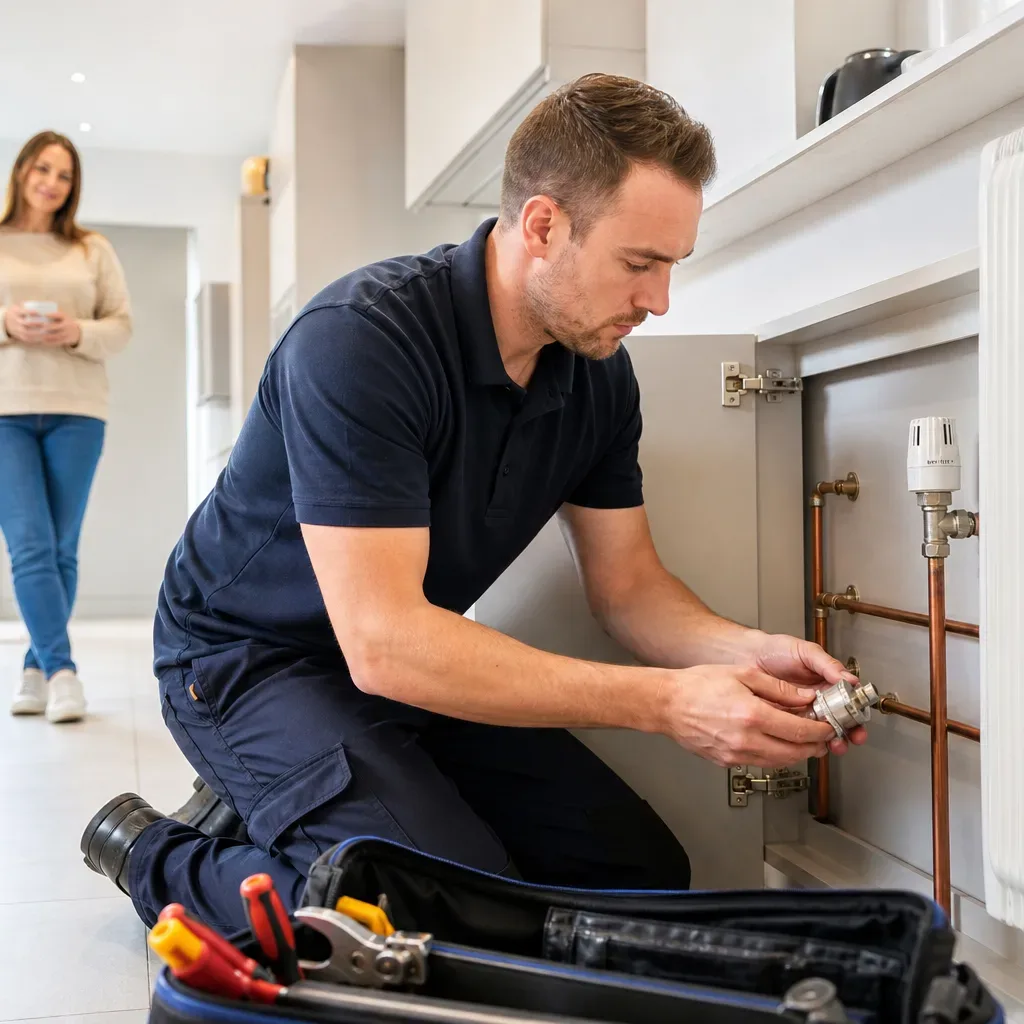
Standard mechanical TRVs suit most Edinburgh properties and require no ongoing maintenance beyond occasional dial adjustment. Smart TRVs make most sense in larger homes or where household schedules are irregular, as the per-room scheduling pays back through finer control rather than rough temperature limiting alone.
For tenement flats with shared close stairwells and variable heat gain from neighbours, a mid-range mechanical TRV with a frost-protection setting (usually marked with a snowflake symbol below position 1) prevents pipes freezing in rooms left unheated, which is a practical concern in Edinburgh winters.
Whichever type you choose, pair the installation with a check of your radiator balance. An unbalanced system, where some radiators heat well and others barely warm up, limits how effectively TRVs can work. A heating engineer can balance the system in the same visit, ensuring every radiator delivers heat at the right rate before the TRVs take over temperature control.
Frequently Asked Questions
How Much Do Thermostatic Radiator Valves Cost in Edinburgh?
Professional supply and fit of a TRV on a single radiator in Edinburgh typically costs £250–£500, covering the valve, thermostatic head, and labour. The price rises if the existing valve is corroded, the system needs draining, or you opt for a smart TRV with app control. Combining multiple valves in one visit usually reduces the per-unit cost.
Can I Fit Thermostatic Radiator Valves Myself in Edinburgh?
Yes, fitting a TRV is legal as a DIY task in Scotland because it involves water pipework, not gas. However, risks include air locks, leaks from over-tightened fittings, and sheared valve bodies on older radiators. If your system is older or the existing valves look corroded, hiring a Gas Safe registered heating engineer is the safer option.
What Are Thermostatic Radiator Valves and How Do They Work?
A TRV is a self-regulating valve fitted to a radiator's inlet that uses a wax or liquid capsule to sense room temperature. When the room reaches the dial setting, the capsule expands and closes the valve, stopping hot water flow. When the room cools, the valve reopens. No electricity is needed for a standard mechanical TRV.
Do Thermostatic Radiator Valves Save Money on Heating?
Yes. TRVs stop radiators running at full output once a room reaches the target temperature, reducing gas consumption in rooms that gain heat from sunlight, cooking, or other sources. Reducing a room's average temperature by 1°C can cut that room's heating demand by roughly 10%, so fitting TRVs across multiple rooms produces a combined saving over a heating season.
Which Radiator Should Not Have a TRV Fitted?
The radiator in the same room as your central thermostat should not have a TRV. If that radiator closes off via a TRV, the thermostat loses its temperature reference and the boiler can short-cycle inefficiently. A Gas Safe registered engineer will identify this radiator during installation and fit a manual or lock-shield valve there instead.