 Edinburgh Boilers Services
Boiler Making Noise in Edinburgh - Banging, Kettling and Gurgling Explained
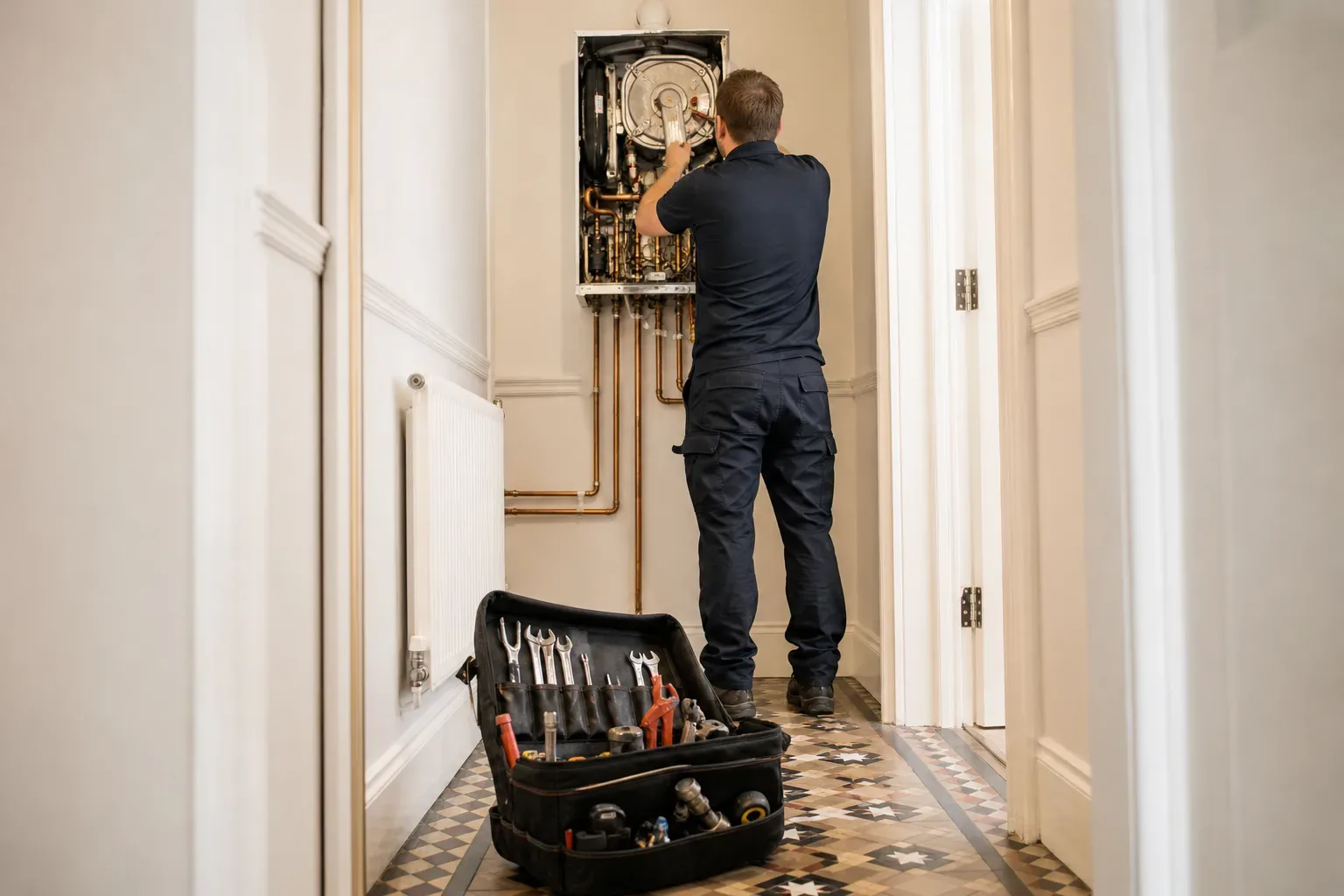
A noisy boiler is one of the most common calls Edinburgh heating engineers receive, particularly during the colder months when systems run harder. Most sounds have a specific cause, and identifying the right one early can be the difference between a simple adjustment and a costly repair.
What Do Different Boiler Noises Mean?
Different sounds point to different faults, so listening carefully is genuinely diagnostic. Here is a breakdown of the most common ones.
Kettling
Kettling is a rumbling or bubbling sound that closely resembles a boiling kettle. It is caused by limescale or sludge building up on the heat exchanger, which restricts water flow and causes localised overheating. Edinburgh sits in a soft-water area, so heavy limescale is less common here than in parts of England, but it does still occur, especially in older systems. A power flush or chemical descale typically resolves it.
Banging and Clunking
Loud bangs, usually at start-up or shut-down, often indicate delayed ignition. Gas builds up briefly before igniting, producing a small internal explosion. This needs prompt attention because repeated episodes can damage the heat exchanger. A Gas Safe registered engineer should inspect the burner, spark electrode, and gas valve.
Gurgling
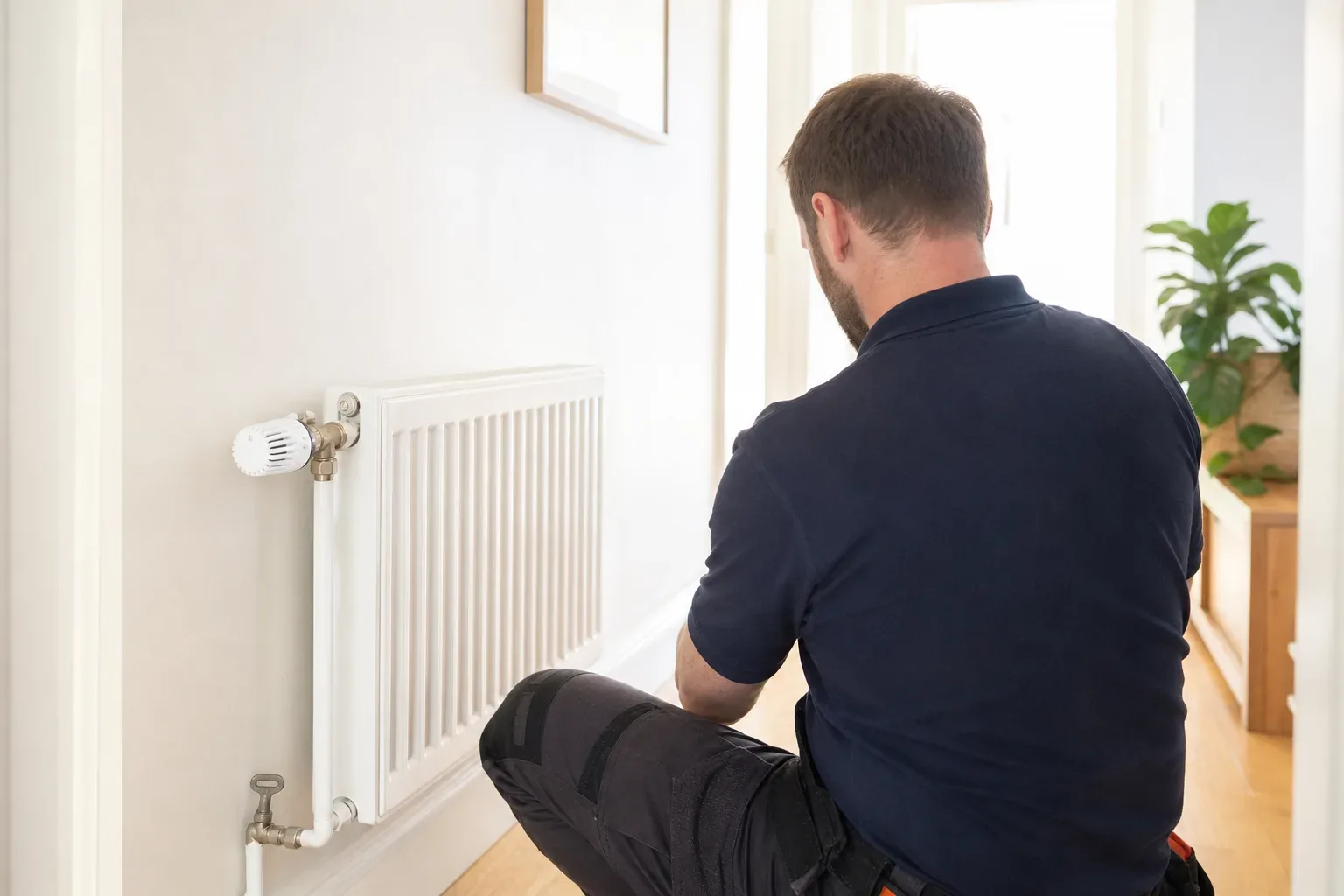
Gurgling noises generally mean air is trapped in the system or the pressure is low. Bleeding your radiators releases trapped air, and topping up the system pressure to the manufacturer's recommended level, usually around 1–1.5 bar, often silences the noise within minutes. If the pressure keeps dropping after you re-pressurise, there may be a slow leak somewhere in the pipework.
Whistling
A high-pitched whistle, sometimes called "kettling" at a higher pitch, can point to a partially closed valve or a pump running at the wrong speed. Check that all lockshield and isolation valves near the boiler are fully open. If the whistle persists, the circulating pump may need adjustment or replacement.
Vibrating or Humming
A constant hum or vibration usually comes from the pump or the fan. Pumps can develop worn bearings over time, and when they do the hum becomes more pronounced under load. Securing loose pipe brackets can reduce transmitted vibration through the walls, but internal pump noise requires a part replacement.
Why Is My Boiler Making Noise in Edinburgh?
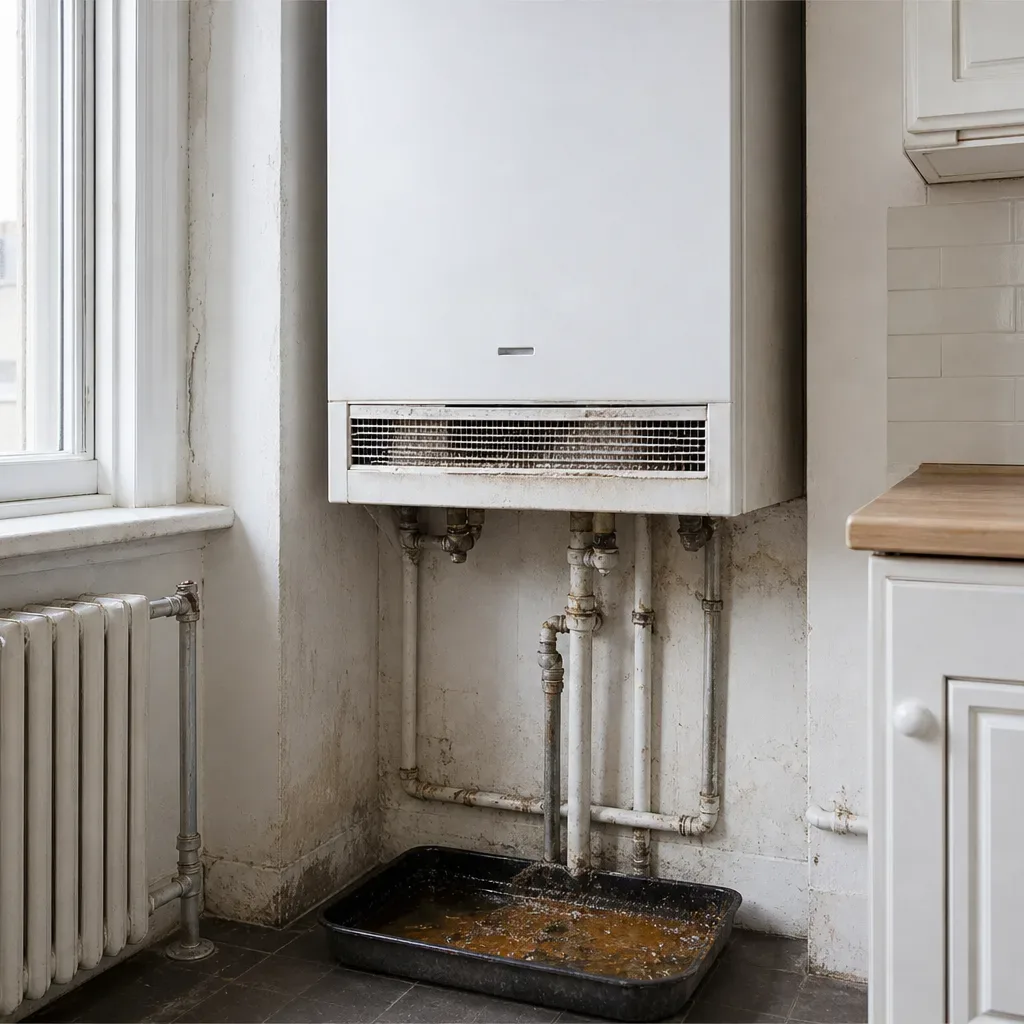
The most likely cause depends on when the noise occurs and what it sounds like, but age, water quality, and system sludge are the most frequent culprits in Edinburgh homes. Many Edinburgh properties are tenement flats or Victorian terraces with older pipework. Magnetite sludge, the black iron oxide residue that builds up in unprotected systems, is especially common in these buildings because the original radiators and pipes have had decades to corrode internally.
If your boiler is over ten years old, the probability of noise being caused by component wear rather than a simple fix is higher. Modern A-rated condensing boilers have an expected lifespan of 10–15 years, and a boiler approaching that range will often start producing sounds as the heat exchanger, pump, or fan degrades. At that point it is worth weighing up repair costs against replacement.
How Do I Stop My Boiler from Making Noise?
The right fix depends on the noise type, but several steps are within most homeowners' reach before calling an engineer. Start by checking the system pressure gauge on the boiler front panel. If it reads below 1 bar, top it up using the filling loop. Bleed each radiator in turn, starting from the ground floor, to remove trapped air.
Adding a central heating inhibitor to the system protects against further sludge build-up and is straightforward to do via the radiator bleed valve. If you have not had the system power-flushed in the last five to seven years and the radiators have cold spots, a flush is likely overdue. Beyond these steps, the work requires a Gas Safe registered engineer.
When Should I Call an Engineer?
Call an engineer the same day if you hear banging at ignition, smell gas, or notice the boiler locking out repeatedly. These are not issues to monitor. A standard weekday call-out in Edinburgh costs £80–£150 for the visit and first hour of labour, with parts charged on top. Out-of-hours or emergency attendance runs £150–£250.
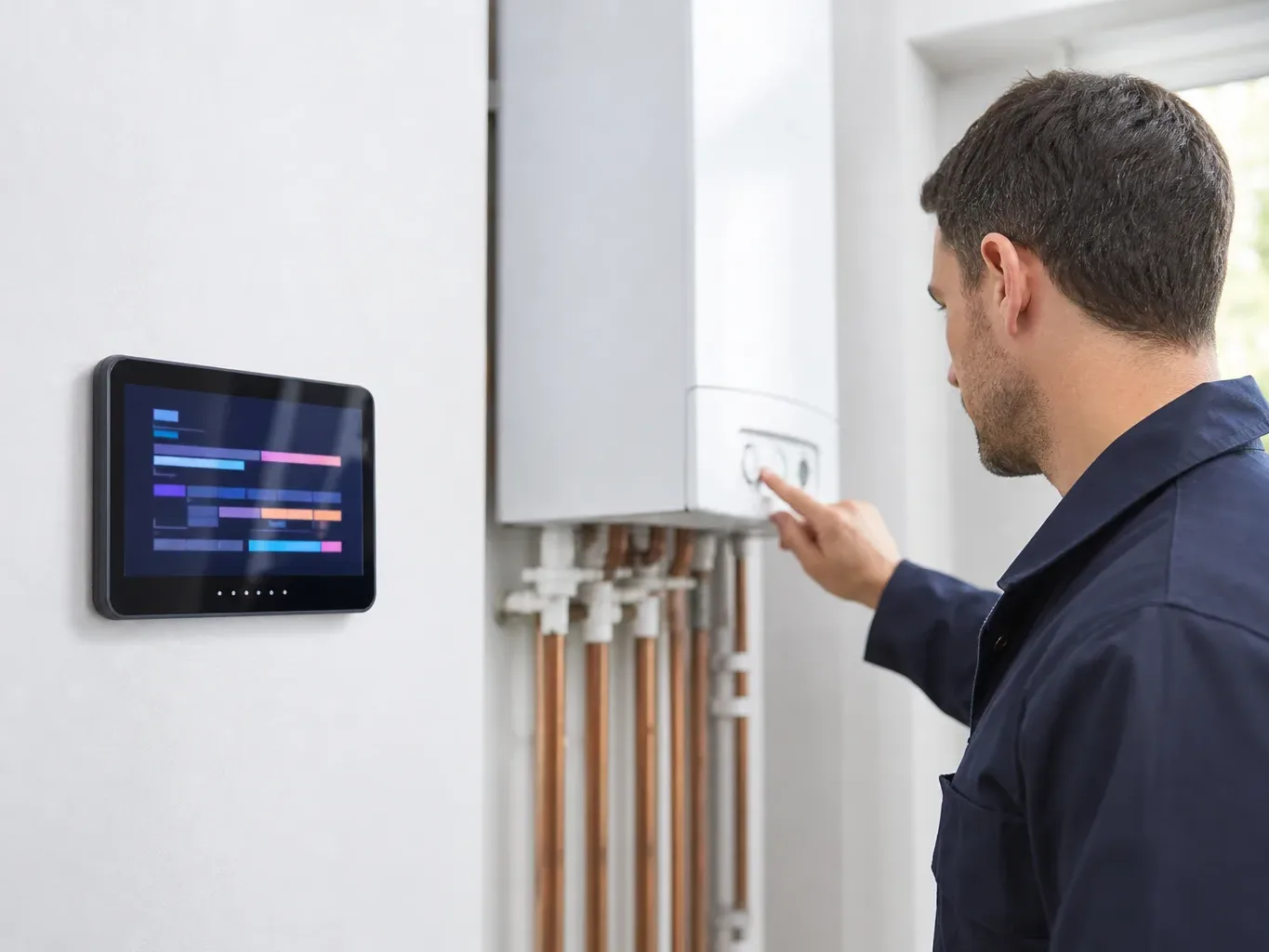
For less urgent noises, a boiler service is a sensible first step. During a service, an engineer checks the heat exchanger, burner, flue, gas pressure, and seals. A standard annual gas boiler service in Edinburgh costs £60–£100 and typically takes 60–90 minutes. Many engineers will identify the source of a noise during the service and quote for the repair at the same visit.
Should I Repair or Replace a Noisy Boiler?
If the repair cost exceeds half the price of a new boiler and your unit is already over ten years old, replacement is usually the better value decision. A new combi boiler, supplied and fitted, costs £1,800–£3,500 for mid-range models. A system boiler with a hot water cylinder runs £2,200–£4,000, which is relevant for larger Edinburgh homes and many tenement flats that cannot accommodate a combi setup.
A new A-rated condensing boiler will also run more efficiently than an older unit that has been losing performance gradually. Manufacturer warranties on new boilers typically run 5–10 years, covering parts and labour during that window, which significantly reduces the financial risk of a replacement compared with repeated repairs on an ageing system.
If your boiler is under five years old and in otherwise good condition, a targeted repair is almost always the right call. Noises in newer boilers are frequently caused by installation issues, such as incorrect pump speed settings or insufficient inhibitor in the system, rather than component failure.
Does a Noisy Boiler Affect Safety?
Most boiler noises are a performance issue rather than an immediate safety risk, but banging at ignition and any smell of gas are exceptions. Delayed ignition is a combustion fault, and a Gas Safe registered engineer must assess it before you continue using the boiler. Carbon monoxide has no sound and no smell, so fit an audible CO alarm near the boiler if you do not already have one.
Landlords in Edinburgh have a legal obligation to hold a current Gas Safety Record, also known as a CP12, for each tenanted property. This costs £60–£100 per property as a standalone inspection and is often offered at a reduced rate when combined with the annual service. A noisy boiler flagged during a CP12 inspection must be investigated, not ignored.

Frequently Asked Questions
Why Is My Boiler Making Noise in Edinburgh?
The most common causes in Edinburgh homes are magnetite sludge in older pipework, trapped air, low system pressure, or wear in the pump or heat exchanger. Tenement flats and Victorian terraces with ageing radiators are particularly prone to sludge build-up, which causes kettling and gurgling sounds. Boilers over ten years old are more likely to produce noise due to component degradation rather than a simple fix.
How Do I Stop My Boiler from Making Noise?
Start by checking the pressure gauge; if it reads below 1 bar, top it up using the filling loop. Bleed your radiators to remove trapped air, beginning on the ground floor. Adding a central heating inhibitor helps prevent sludge. If the noise continues, a Gas Safe registered engineer should inspect the boiler, as internal faults such as a worn pump or delayed ignition require professional repair.
What Do Different Boiler Noises Mean?
Kettling (a rumbling sound) usually means limescale or sludge on the heat exchanger. Banging at start-up often indicates delayed ignition, which needs prompt attention. Gurgling points to trapped air or low pressure. Whistling can mean a partially closed valve or pump speed issue. A constant hum or vibration typically comes from a worn pump or fan bearing.
Is a Noisy Boiler Dangerous?
Most boiler noises are performance issues rather than immediate safety hazards. The exceptions are banging at ignition, which is a combustion fault, and any smell of gas. If you experience either, stop using the boiler and contact a Gas Safe registered engineer. Always fit a working carbon monoxide alarm near the boiler, as CO leaks produce no sound or smell.
How Much Does It Cost to Fix a Noisy Boiler in Edinburgh?
A standard weekday call-out costs £80–£150 for the visit and first hour of labour, with parts charged on top. Emergency out-of-hours attendance runs £150–£250. An annual boiler service, which often identifies the noise source, costs £60–£100 and takes around 60–90 minutes. If the boiler needs replacing, a new combi boiler supply and fit costs £1,800–£3,500.