 Edinburgh Boilers Services
Boiler Lockout Fault Edinburgh - What the Error Codes Mean
Your boiler has shut itself down and is flashing an error code. That is a lockout: a deliberate safety mechanism that stops the boiler firing until a fault is cleared. Understanding what triggered it is the difference between a simple reset and an unnecessary call-out fee.
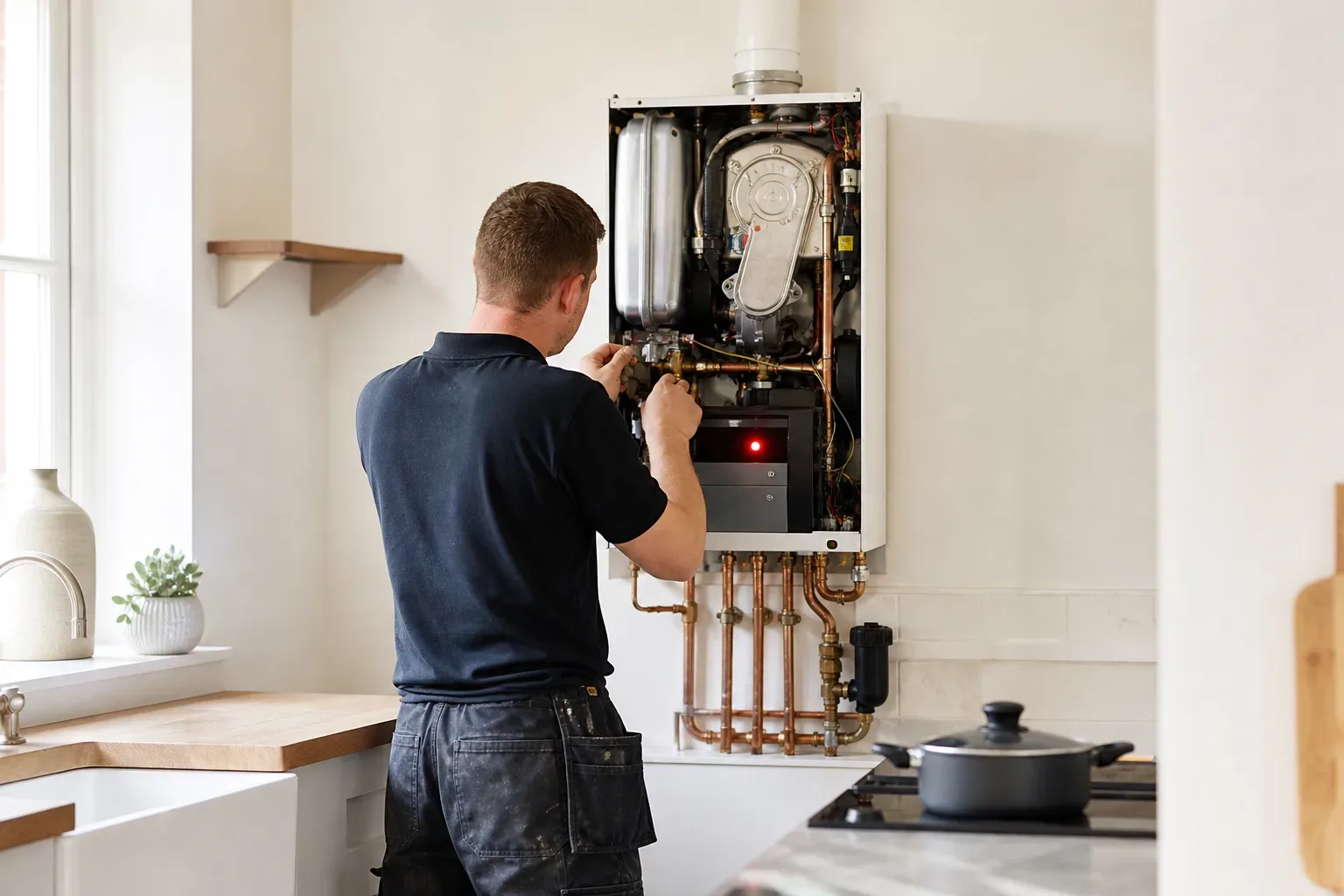
What a Lockout Actually Does
A lockout puts the boiler into a hard-stop state. The burner will not ignite, no heat reaches the radiators, and the control panel either displays a numeric fault code or shows a flashing warning light depending on the manufacturer. Worcester Bosch units typically show codes like EA 227, D1, or E9. Vaillant boilers use F codes such as F22, F28, or F75.
Viessmann systems often display two-digit codes starting with 'F' or 'E'.
The code is not a suggestion: it tells a Gas Safe registered engineer exactly which sensor, component, or threshold triggered the shutdown. Writing it down before you do anything else saves time and may save money on the call-out.
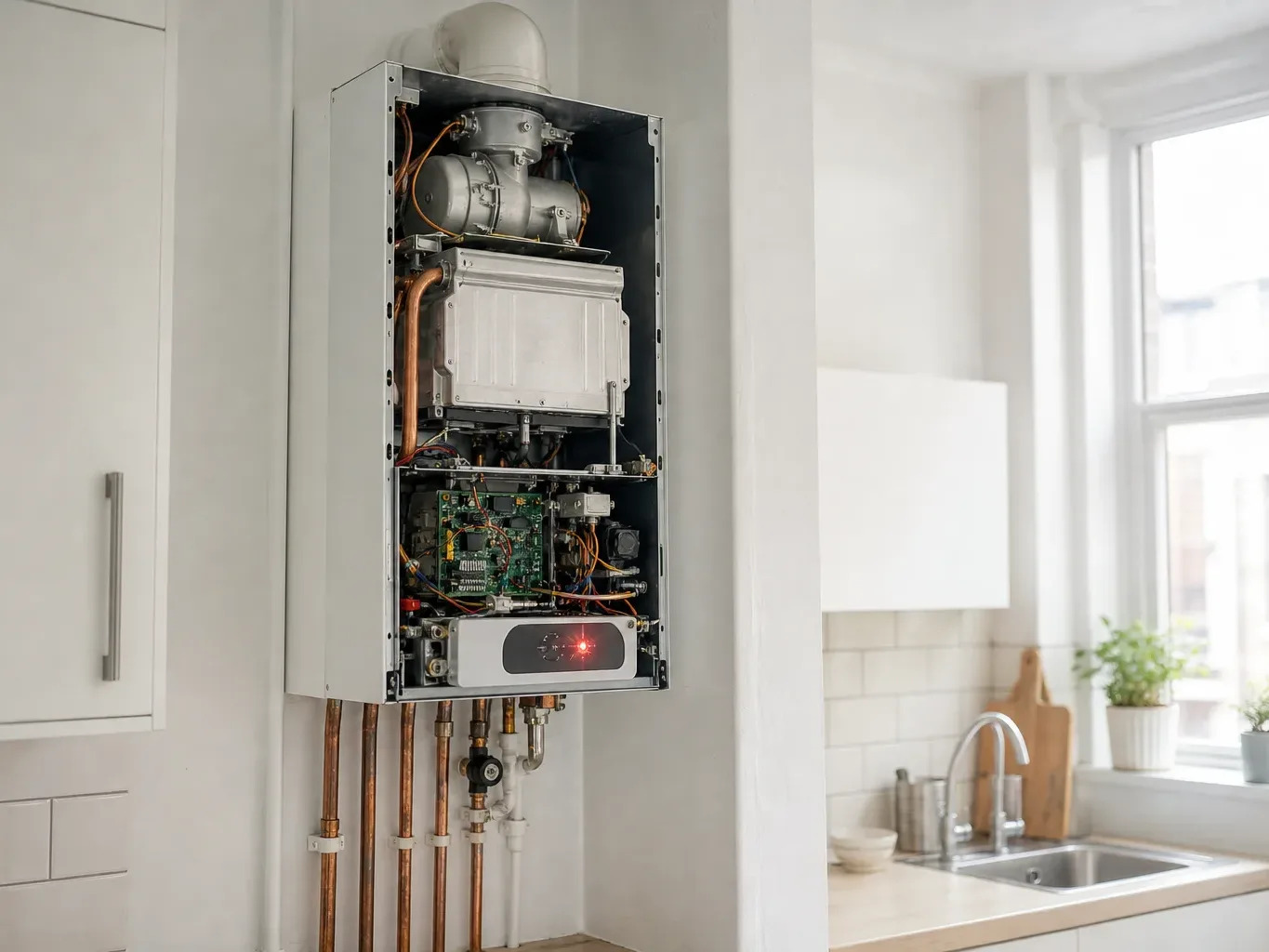
Common Lockout Fault Codes and Their Causes
Low Water Pressure Codes
F22 on a Vaillant or similar low-pressure codes on Worcester Bosch and Ideal boilers are among the most frequent lockout triggers in Edinburgh homes. The boiler's pressure sensor has detected the system pressure drop below roughly 0.5 bar, so it shuts down to prevent dry firing. Check the pressure gauge on the boiler itself: a healthy reading sits between 1.0 and 1.5 bar when the system is cold.
If the needle is below 1 bar, you can repressurise through the filling loop, usually a braided flexible hose with one or two valves beneath the boiler. Increase pressure slowly to around 1.2 bar, then close the valves and attempt a reset. If the pressure drops again within days, there is a leak somewhere in the system that needs professional attention.
Ignition Failure Codes
F28 on Vaillant or EA 227 on Worcester Bosch signal that the boiler tried to light the burner and failed, typically three attempts before locking out. Causes include a faulty ignition lead, a dirty or cracked burner, or a gas supply issue. Before calling an engineer, check that other gas appliances in the property are working. If your gas hob or cooker is also off, contact your supplier, not your heating engineer.
Ignition faults that persist after a reset almost always need a qualified engineer. Working on the burner or ignition components without Gas Safe registration is illegal in Great Britain.
Overheating and High-Limit Codes
Codes like F75 on Vaillant or E9 on Worcester Bosch indicate the boiler has detected temperatures beyond its safe limit. This can be caused by a blocked heat exchanger, a failing pump, or sludge restricting flow through the system. In older Edinburgh tenements with original pipework, sludge build-up is a particularly common culprit.
An overheating lockout should not be reset repeatedly without investigation. Cycling the boiler through repeated resets while the root cause remains in place risks heat exchanger damage, which is an expensive repair or a prompt for full replacement.
Condensate Blockage
In Edinburgh winters, frozen condensate pipes cause a significant proportion of lockout calls. The condensate drain, usually a white plastic pipe exiting through an external wall, carries acidic water away from the boiler. When it freezes, back-pressure triggers a lockout. Worcester Bosch uses code EA 338; other manufacturers signal it differently, but a gurgling noise from the boiler immediately before lockout is a strong indicator.
Thawing a frozen condensate pipe is one of the few lockout causes most homeowners can address themselves. Pour warm, not boiling, water over the external section of pipe, then reset the boiler. If it recurs each winter, an engineer can reroute the pipe internally or insulate it properly.
How to Reset Your Boiler Safely
Most modern boilers have a physical reset button, usually marked with a flame symbol or labelled 'reset'. Hold it for three to five seconds. Some Worcester Bosch and Ideal models require navigating a digital menu. Check the manual or the manufacturer's website if the button is not obvious.
Attempt a reset once after addressing the visible cause. If the boiler locks out again immediately, do not keep pressing reset. Repeated attempts without fixing the underlying issue can mask the fault and cause secondary damage.
When to Call an Engineer
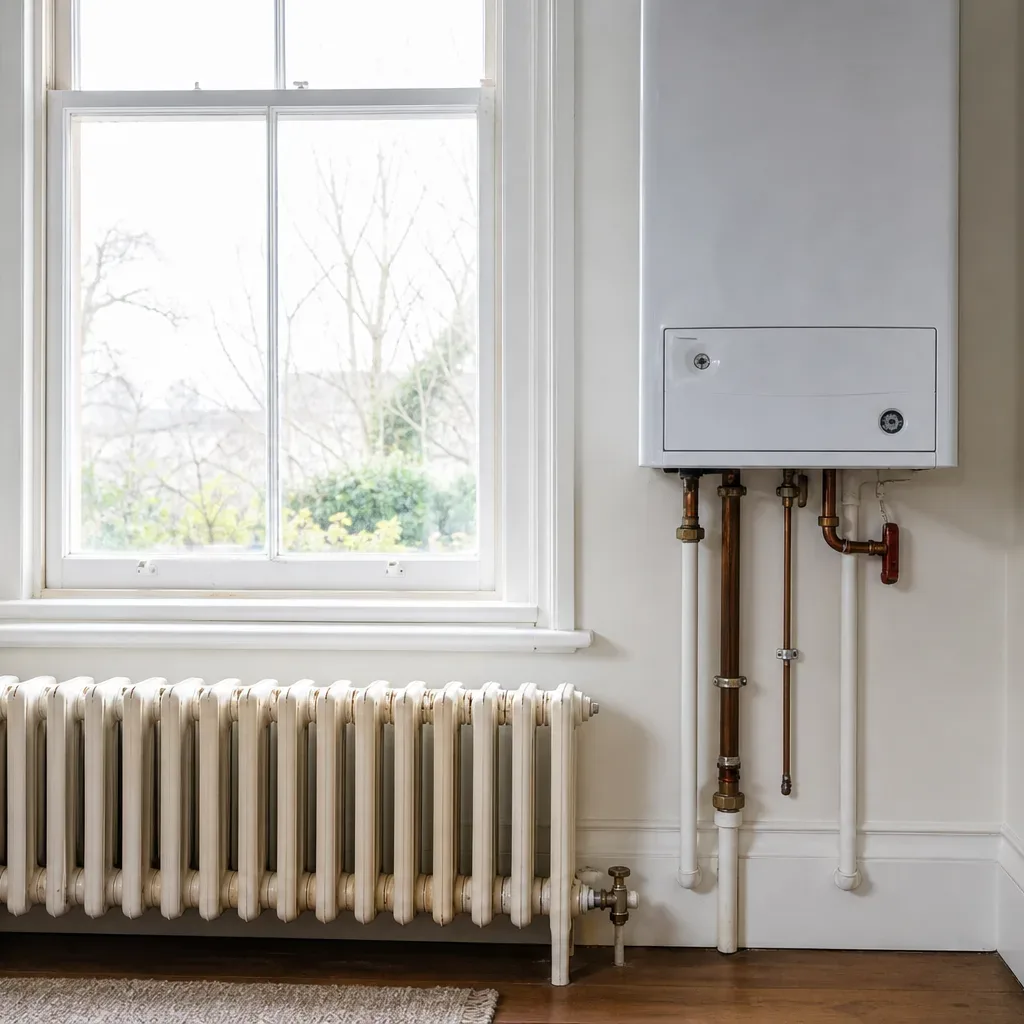
Call a Gas Safe registered engineer if the fault code points to a gas supply problem, ignition failure, flue blockage, or any internal component you cannot see without removing the boiler casing. In Edinburgh, a standard weekday call-out and first hour of labour typically costs £80–£150, with parts charged on top. Emergency out-of-hours attendance runs £150–£250.
If the boiler is more than 10–15 years old and locking out repeatedly, repair costs can quickly approach the price of replacement. A new combi boiler supply and fit in Edinburgh runs £1,800–£3,500 for a mid-range unit. That figure rises to £2,200–£4,000 for a system boiler where a hot water cylinder is involved. A well-maintained A-rated condensing boiler carries a 5–10 year manufacturer warranty, which a repeated-lockout scenario on an ageing unit cannot offer.

Keeping Lockouts Less Frequent
An annual boiler service, costing £80–£120 in Edinburgh, is the most direct way to reduce lockout frequency. During a service, which typically takes 60–90 minutes, an engineer cleans the burner, checks ignition components, inspects the condensate trap, and verifies system pressure. Problems that cause lockouts are caught before they strand you without heat.
For Edinburgh properties with hard, mineral-rich water or older pipework, a powerflush every few years removes the sludge that contributes to overheating faults. If the boiler is in a loft or an uninsulated utility room, insulating the condensate pipe before October is a straightforward preventive measure against winter freeze lockouts.
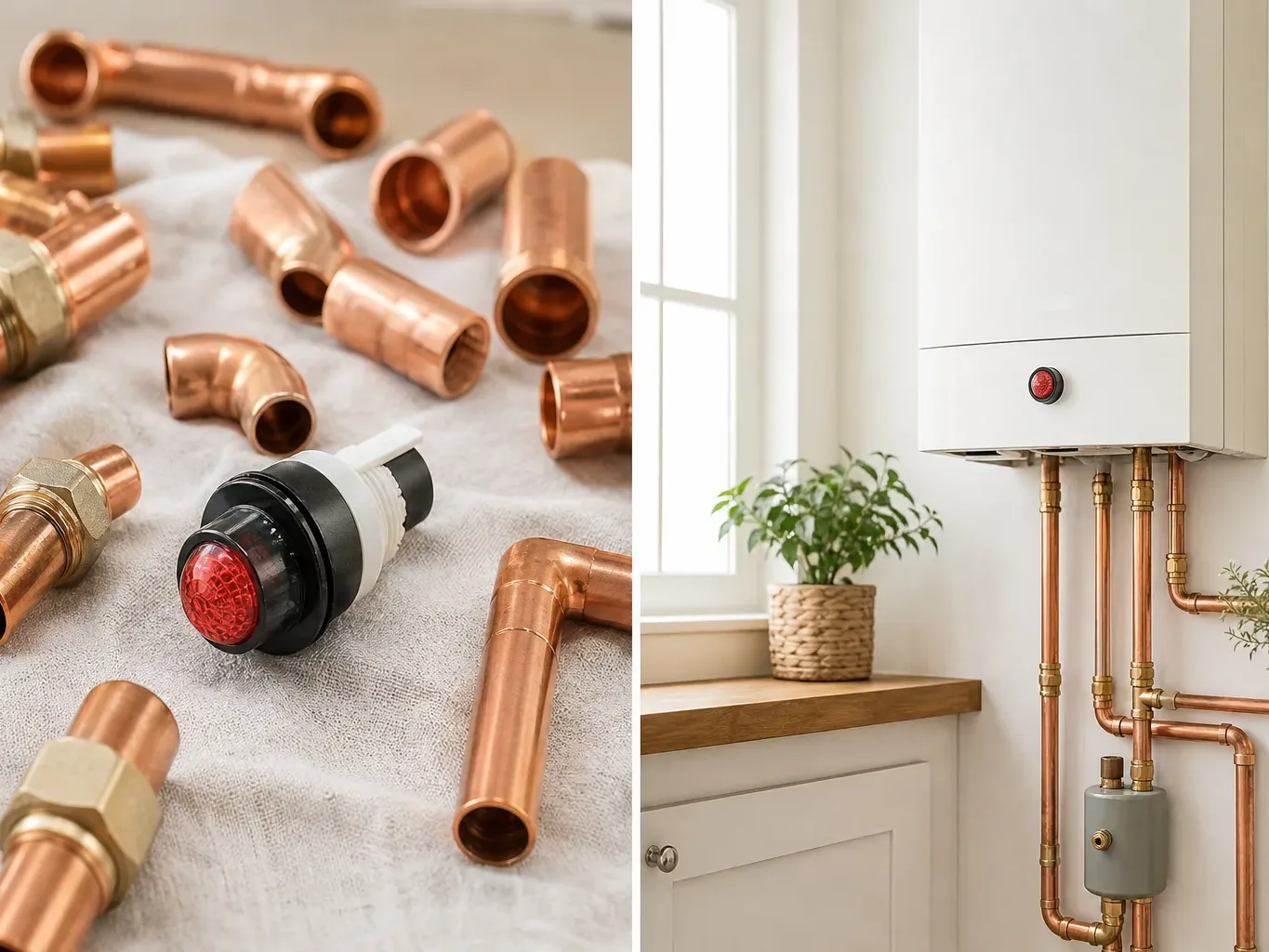
Reading the Light on Your Boiler
Not every boiler displays numeric codes. Some older or simpler units communicate through indicator lights. A steady green light generally means normal operation. A flashing green or amber light often signals a call-for-heat state or a minor fault.
A flashing or steady red light typically indicates lockout. The specific meaning varies by manufacturer, so the boiler manual is the definitive source for your model.
If the display is blank and there is no indicator light at all, check the boiler's fused spur switch first, then the consumer unit for a tripped breaker. A completely dark boiler panel is often an electrical supply issue rather than a boiler fault.
Frequently Asked Questions
What Is a Boiler Lockout Fault in Edinburgh?
A boiler lockout fault is a safety shutdown triggered when the boiler's sensors detect a condition outside safe operating limits, such as low water pressure, ignition failure, or overheating. The boiler stops firing and displays an error code or warning light until the fault is cleared and the unit is reset. In Edinburgh, common causes include frozen condensate pipes in winter, sludge build-up in older tenement systems, and low system pressure. A Gas Safe registered engineer can diagnose the specific cause from the fault code.
How Do I Reset a Boiler Lockout Fault in Edinburgh?
First, note the fault code on the display. Address any visible cause, such as low pressure or a frozen condensate pipe, before attempting a reset. Then hold the reset button, usually marked with a flame symbol, for three to five seconds. Attempt the reset only once; if the boiler locks out again immediately, call a Gas Safe registered engineer rather than repeating the reset. Persistent lockouts after resetting indicate an underlying fault that requires professional diagnosis.
What Is Boiler Lockout?
Boiler lockout is an automatic safety feature built into modern gas boilers. When internal sensors detect a fault, such as a failed ignition attempt, overheating, or abnormal pressure, the boiler shuts down completely and prevents the burner from firing again until the fault is resolved and a manual reset is performed. It protects the boiler from damage and prevents unsafe operating conditions. The displayed error code identifies which sensor or threshold triggered the lockout.
What to Do If the Boiler Is Air Locked?
An airlock in the system restricts or stops water circulating through radiators and can cause the boiler to overheat and lock out. The fix usually involves bleeding the affected radiators using a radiator key to release trapped air until water flows steadily from the bleed valve. After bleeding, check and repressurise the system if the pressure gauge has dropped below 1 bar. If bleeding the radiators does not resolve the problem, or if the pump itself is suspected, a Gas Safe registered engineer should inspect the system.
What Colour Should the Light Be on My Boiler?
A steady green light on most boilers indicates normal operation. A flashing green or amber light typically signals a call-for-heat state or a minor advisory. A red light, whether steady or flashing, usually indicates a lockout or fault condition requiring attention. The exact meaning of each colour varies between manufacturers and models, so always cross-reference with the boiler's manual. If the display is completely blank, check the boiler's fused spur switch and the consumer unit before assuming the boiler itself has faulted.