 Edinburgh Boilers Services
Boiler Service and Gas Safety Certificate Edinburgh
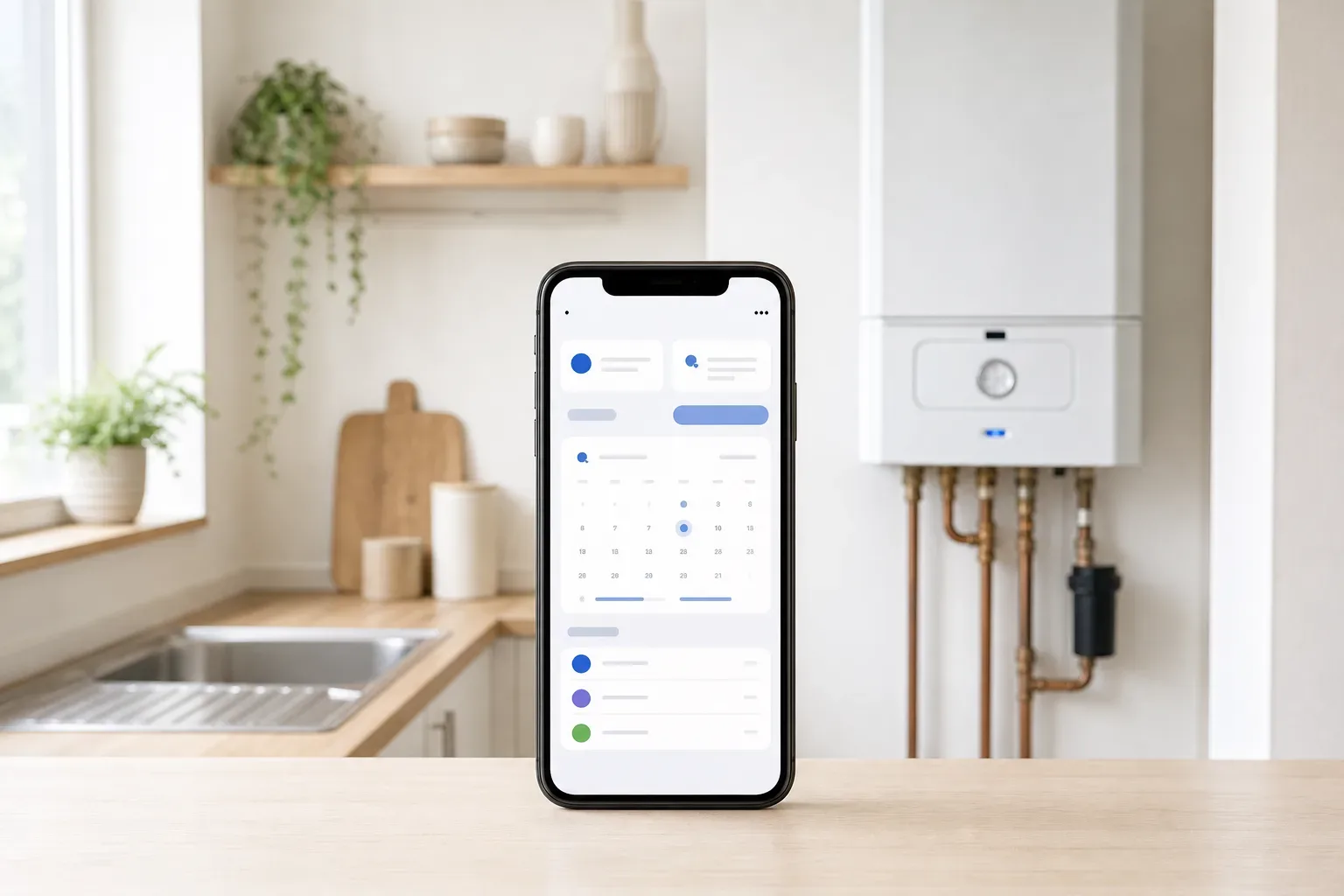
Two Different Jobs, Two Different Purposes
A boiler service and a gas safety certificate are not the same thing, and confusing them can leave Edinburgh landlords non-compliant and homeowners with a false sense of security. A boiler service is a maintenance visit: the engineer cleans components, checks efficiency, and identifies wear before it becomes a breakdown. A Gas Safety Record, also known as a CP12, is a legal inspection document confirming that every gas appliance, flue, and pipework in a property meets safety standards.
You can have one without the other. A service does not automatically produce a CP12, and issuing a CP12 does not replace the mechanical checks of a full service. For thorough protection, most households benefit from booking both in the same visit.
What a Boiler Service Covers
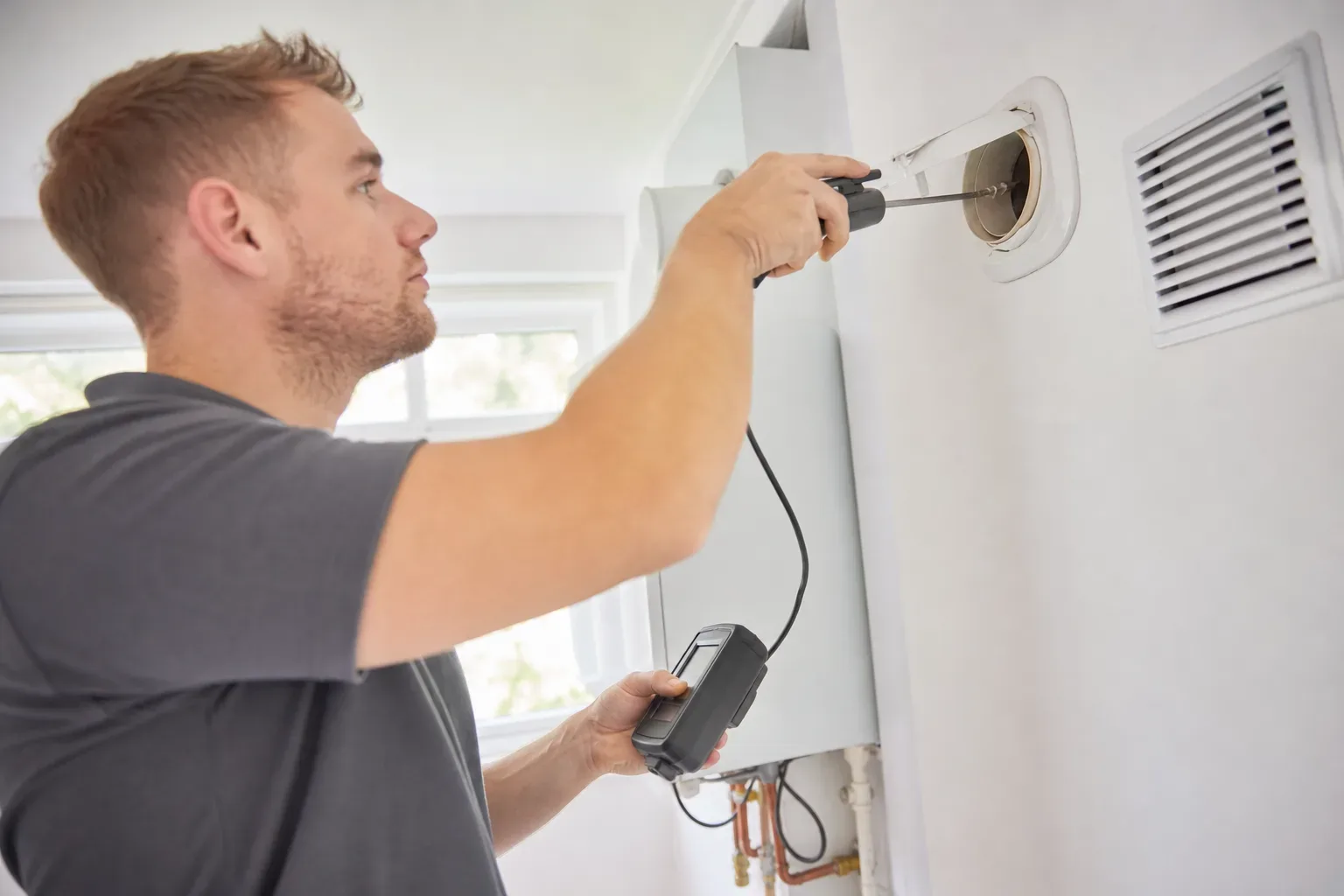
A standard annual boiler service in Edinburgh typically takes 60–90 minutes. The engineer checks the burner, heat exchanger, flue, seals, and safety controls, then clears any debris and verifies that the boiler fires, modulates, and shuts down correctly.
The typical cost runs £80–£120 for a single gas boiler. That figure covers labour and the standard checks; any replacement parts are priced separately. Catching a faulty seal or blocked condensate trap during a service costs far less than an emergency call-out later.
Why Annual Servicing Matters for Boiler Lifespan
A modern A-rated condensing boiler has an expected lifespan of 10–15 years. Skipping services tends to shorten that range, since minor faults compound into major failures. Most manufacturers also require annual servicing as a condition of the 5–10 year warranty they offer on new installations, so a missed service can quietly void your cover.
What a Gas Safety Record (CP12) Covers
The Gas Safety Record, also known as a CP12, documents the safety condition of every gas appliance in a property on a given date. The inspecting engineer, who must be Gas Safe registered, checks each appliance for safe operation, adequate ventilation, flue integrity, and correct gas pressure.
Once the checks pass, the engineer issues the record. If an appliance fails, the engineer will advise on remedial work before certifying. The document lists every appliance inspected, the results, and the engineer's Gas Safe registration number.
Who Is Legally Required to Hold a CP12
Scottish landlords letting any property with gas appliances must hold a valid Gas Safety Record and renew it every 12 months. The record must be given to existing tenants within 28 days of the inspection and to new tenants before they move in. Failure to comply carries substantial fines and can affect the validity of a tenancy.
Owner-occupiers have no legal obligation to hold a CP12, but many Edinburgh homeowners obtain one when selling, remortgaging, or seeking home insurance that requires proof of gas appliance safety.
Booking Both Together in Edinburgh
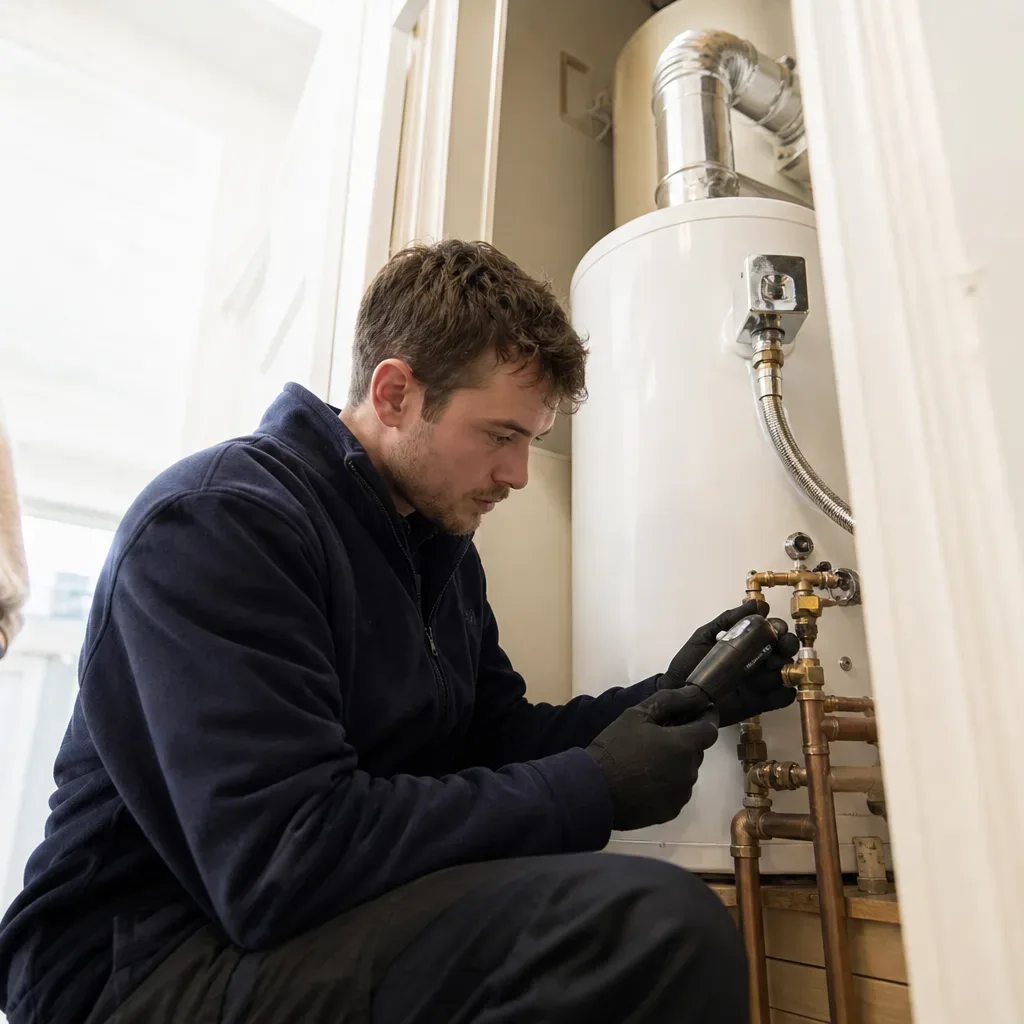
Many Edinburgh heating engineers offer a combined service and CP12 visit. The Gas Safety Record is often discounted when booked alongside an annual service, bringing the standalone cost of £60–£100 for the certificate down further as part of a package.
A combined visit still takes roughly 60–90 minutes in most properties. If your boiler has not been serviced for over a year, booking both together avoids a second call-out fee and gives you a complete record of your heating system's condition in a single document trail.
Choosing a Gas Safe Registered Engineer
All engineers carrying out gas work in Great Britain must be Gas Safe registered. This is a legal requirement, not a preference. You can verify any engineer's registration on the Gas Safe Register website before they arrive, using either their name or their registration number.
In Edinburgh, Gas Safe engineers cover all property types from Victorian tenements in Marchmont to new-build flats in Leith. Always ask for the engineer's Gas Safe ID card at the start of the visit.
Repair Costs and What to Expect If a Fault Is Found
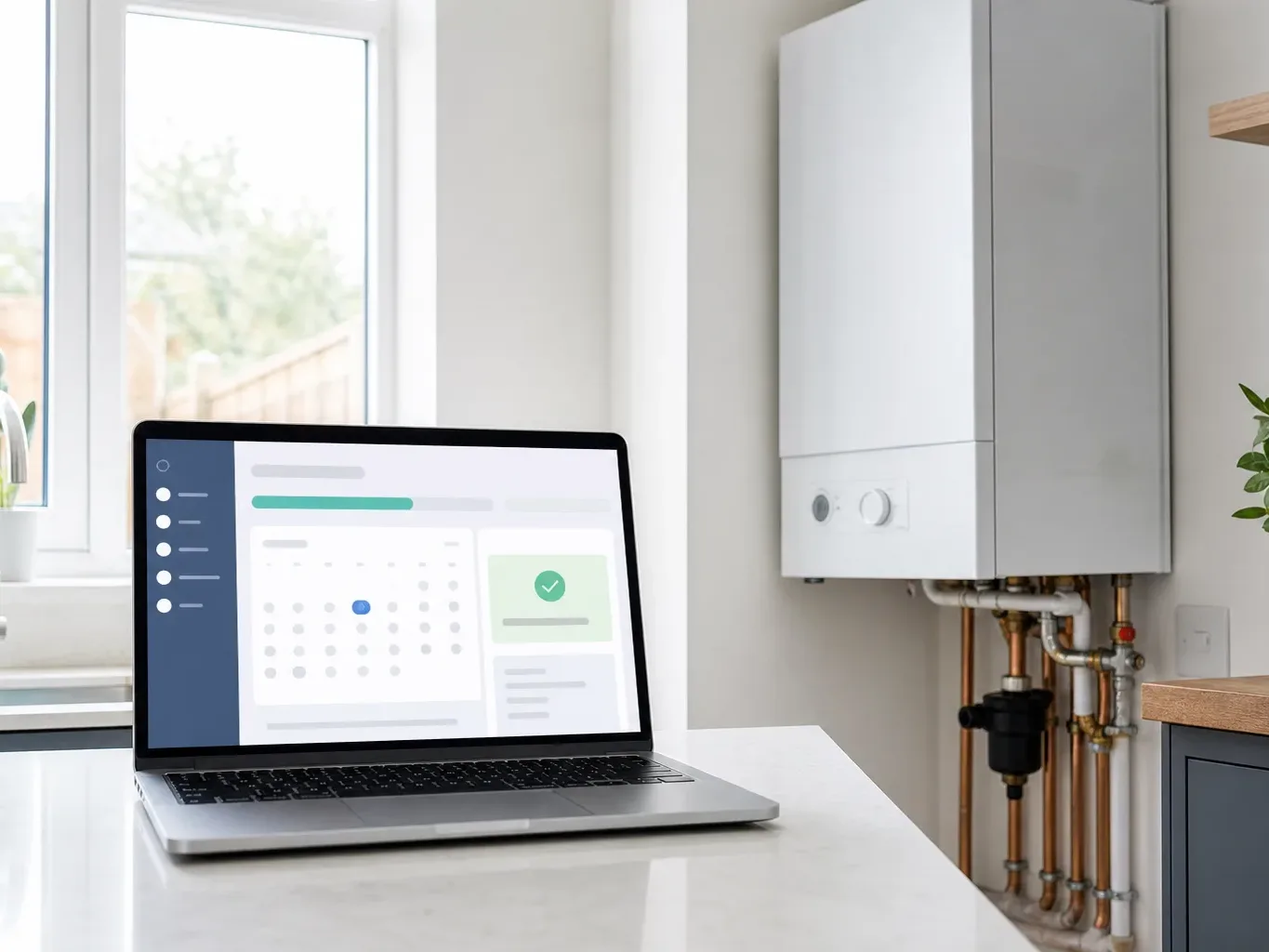
If the service or CP12 inspection reveals a fault, the engineer will explain the issue and quote for repair before proceeding. A standard weekday call-out and first-hour labour typically costs £80–£150, with parts on top. Emergency or out-of-hours attendance runs £150–£250 before parts.
Minor issues such as a faulty thermocouple or pressure relief valve are usually resolved in the same visit. More significant faults involving heat exchangers or gas valves may need a return appointment once parts are sourced. Getting a written quote before authorising any repair is straightforward to request and protects you from unexpected invoices.
Frequently Asked Questions
Where Do I Find My Gas Safety Certificate?
Your Gas Safety Record (CP12) should be given to you by your landlord or the engineer who carried out the inspection. Landlords must provide it to tenants within 28 days of the annual inspection, or before a new tenancy begins. If you have lost your copy, the engineer or letting agent who arranged the inspection should hold a duplicate on file.
How Much Does a Gas Safety Certificate Cost in Scotland?
A standalone Gas Safety Record (CP12) in Edinburgh and across Scotland typically costs £60–£100. Many engineers offer a reduced rate when the certificate is combined with an annual boiler service, so booking both together can be the most cost-effective option.
Should You Get a Gas Safety Certificate?
Scottish landlords are legally required to hold a valid Gas Safety Record for any rental property with gas appliances, renewed every 12 months. Owner-occupiers are not legally obliged to have one, but it is a practical step when selling a home, remortgaging, or demonstrating appliance safety to an insurer.
How Long Does a Gas Safety Certificate Take?
A Gas Safety Record inspection typically takes 30–60 minutes for a standard property, depending on the number of gas appliances present. When combined with an annual boiler service, the full visit usually runs 60–90 minutes in total.
Can I Sell My House Without a Gas Safe Certificate?
There is no legal requirement for a seller to provide a Gas Safety Record (CP12) when selling a residential property in Scotland. However, buyers and their solicitors may request evidence of gas appliance safety as part of the conveyancing process, and having a current certificate from a Gas Safe registered engineer can smooth negotiations and reduce delays.