 Edinburgh Boilers Services
How Long Does a Boiler Installation Take in Edinburgh?
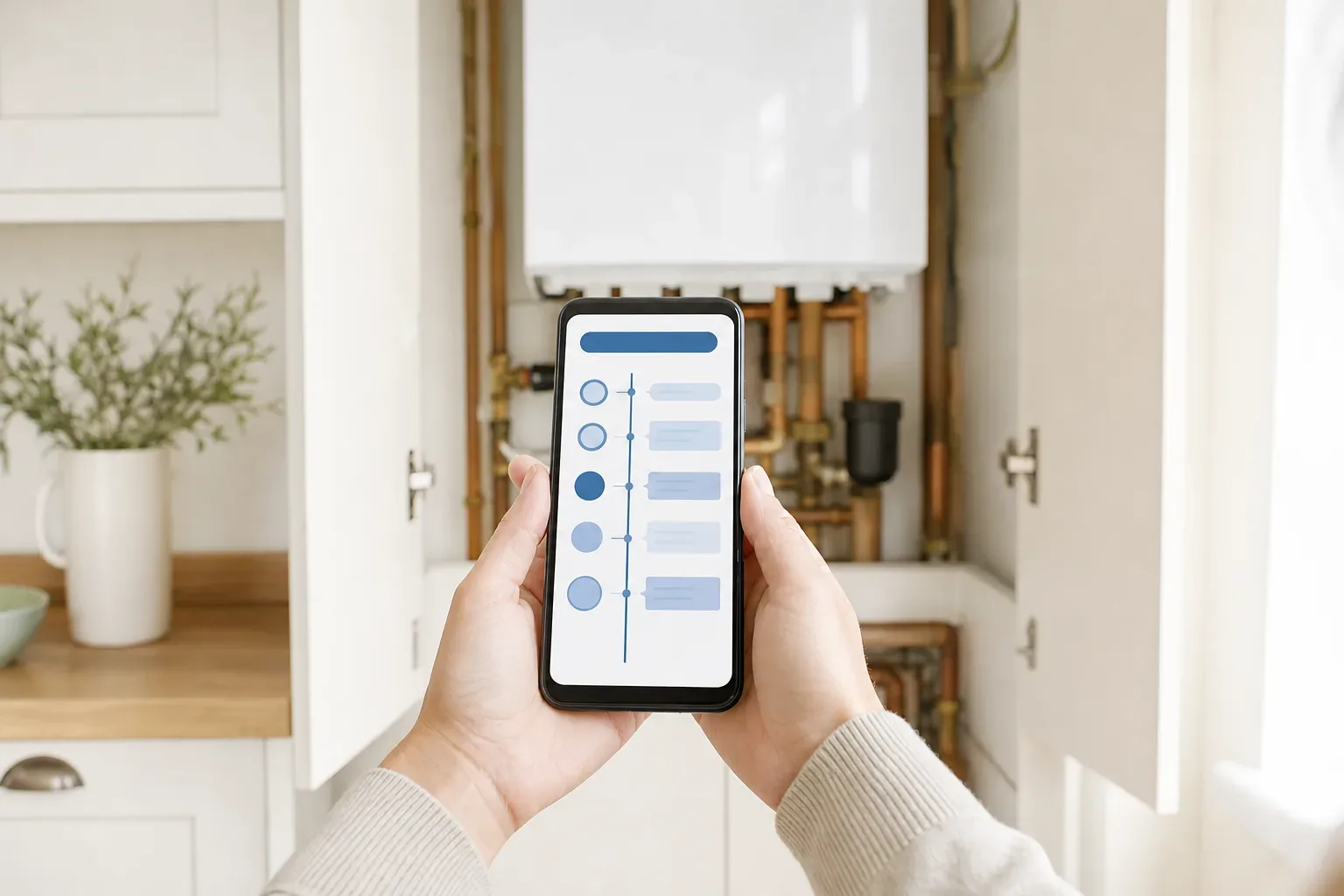
A straightforward like-for-like combi boiler swap in an Edinburgh home typically takes 1–2 days. If you're having a full new system installed for the first time, or converting from one boiler type to another, expect 2–5 days. The range exists because Edinburgh's housing stock varies considerably, from modern new builds in Leith to Victorian tenements in Marchmont, and each property throws up different access, pipework, and venting challenges.
What Factors Affect How Long Boiler Installation Takes?
The single biggest variable is whether the pipework and flue position from your old boiler can be reused. A direct swap in a tenement flat where the boiler stays in the same kitchen cupboard is the fastest scenario. Moving the boiler to a different wall, changing from a back-boiler behind a fireplace, or converting from a heat-only system with a hot water cylinder to a combi all add hours or days.
Boiler Type and System Complexity
Combi boilers are the most common choice in Edinburgh flats and smaller terraced houses because they heat water on demand without needing a separate cylinder. A combi-to-combi replacement is the simplest job. A system boiler installation, which suits larger Edinburgh homes with multiple bathrooms, involves fitting a pressurised hot water cylinder as well, so the job typically runs toward the longer end of the 1–2 day estimate or spills into a second full day.
Heat pump installations are a different category entirely. Air source heat pump supply and fit takes longer than a gas boiler swap, often 2–4 days or more depending on external groundwork and electrical upgrades. The timeline for those projects is priced and scoped separately from standard boiler work.
Flue and Gas Supply Work
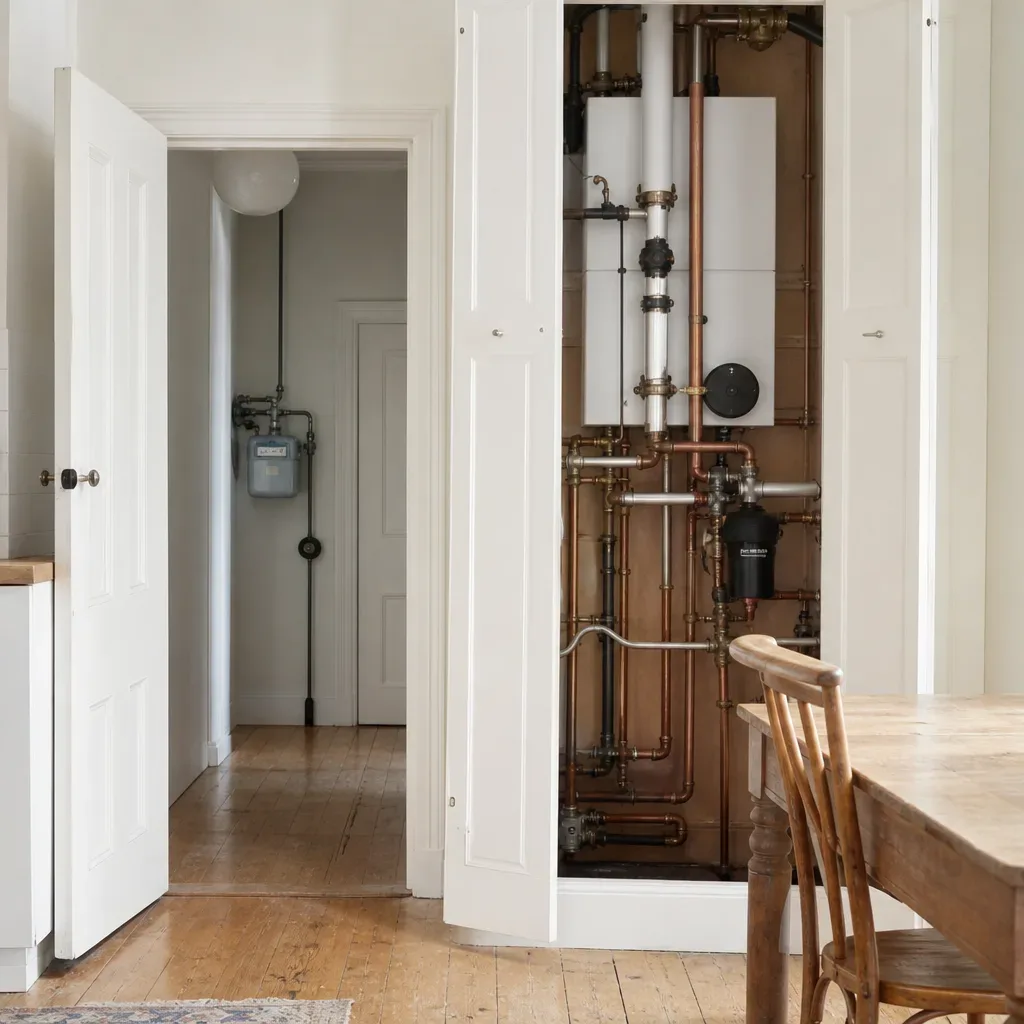
Building regulations in Scotland require the flue terminal to meet specific clearance distances from windows, doors, and neighbouring properties. In a tenement close, those clearances can mean routing the flue through an external wall rather than straight out the back, adding a couple of hours to the job. If the gas supply pipe to the boiler needs upgrading in diameter to meet current standards, that adds further time and cost.
Age and Condition of the Existing System
Older Edinburgh properties often have small-bore or even microbore pipework that restricts flow to modern boilers. Engineers may need to power-flush the system to clear sludge and debris before connecting a new unit. A power flush adds roughly half a day. Without it, an A-rated condensing boiler can underperform and the warranty may be affected.
Most Gas Safe registered engineers will assess the system condition before quoting and flag this upfront.
What Happens on Installation Day?
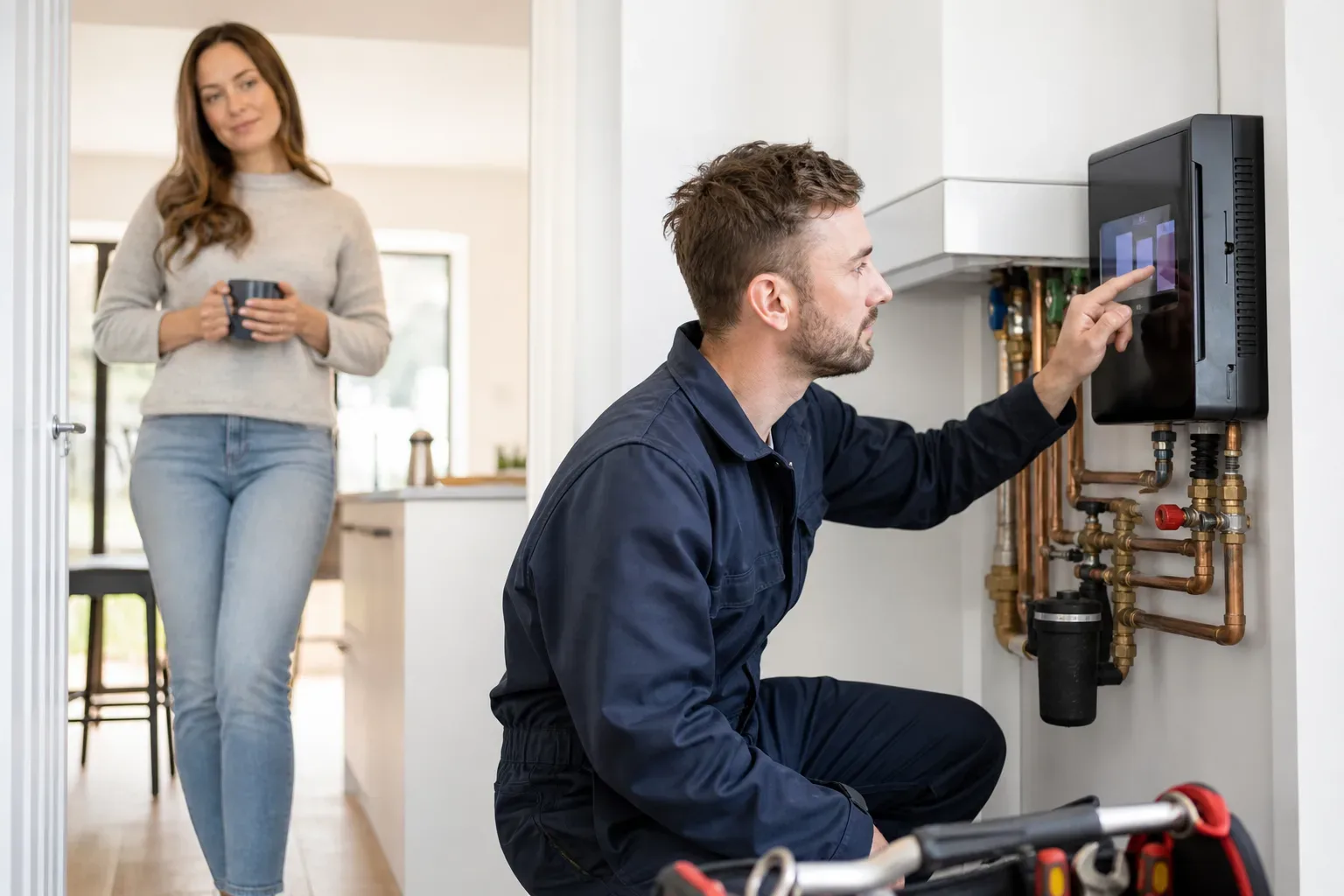
The engineer isolates the gas supply and drains the system first, which takes around 30–45 minutes. The old boiler is then disconnected and removed. Fitting the new unit, connecting pipework, running flue sections, and re-pressurising the system forms the main body of the work. Commissioning, which includes setting controls, checking for leaks, and testing every radiator, takes around an hour at the end.
For a standard single-day job, most engineers arrive between 8:00 and 9:00 and are done by late afternoon. You will be without heating and hot water for most of that window. If you have young children, elderly residents, or mobility needs, let the installer know in advance so they can prioritise restoring hot water first where possible.
Will You Need to Be Home the Whole Time?
You don't need to be present for every minute, but someone must be home throughout the job. The engineer needs access to the boiler location, any external walls for flue work, and the gas metre cupboard. In Edinburgh tenements, the gas metre is often in a communal area or external metre box, so access arrangements may need to include your neighbours or factor housing management.
It's sensible to clear the cupboard or utility area around the boiler before the engineer arrives. Removing items stored nearby saves time and protects them from dust and debris during the installation.
How Much Does Boiler Installation Cost in Edinburgh?
A combi boiler supply and fit in Edinburgh runs from £1,800 to £3,500 for a mid-range unit with installation labour included. System boiler installations, which add a hot water cylinder, typically cost £2,200–£4,000. These figures cover the boiler and standard installation work. Additional jobs such as moving the boiler location, power flushing, or upgrading pipework are priced on top.
Most reputable Edinburgh installers offer a fixed-price quote once they've assessed the site. Get at least two quotes and check that each one clearly states what is and isn't included. A quote that looks significantly cheaper may be excluding the power flush, flue extension, or system controls.
New boilers from brands such as Worcester Bosch, Viessmann, and Vaillant typically come with a 5–10 year manufacturer warranty when the installation is registered. Confirm that your installer will register the warranty on your behalf on the day.
What About a New Build or Full System Installation?
A full central heating system including boiler, radiators, pipework, and controls for a new build or whole-house conversion takes considerably longer than a boiler swap. Expect 2–5 days for most Edinburgh homes, with larger or more complex properties taking longer. Whole-house wet system installations typically cost £3,500–£6,500 in Edinburgh, depending on the number of radiators and the extent of pipework required.
If you're adding a single radiator to an existing system rather than replacing the whole setup, that's a half-day job. Supply and fit for a standard radiator with a thermostatic radiator valve (TRV) and connection to existing pipework runs £250–£500.
Checking Your Engineer's Credentials
All engineers working on gas appliances in Great Britain must be Gas Safe registered. This is a legal requirement, not an optional accreditation. Before any work begins, ask to see the engineer's Gas Safe ID card and verify the registration number on the Gas Safe Register website. The card shows which appliance categories the engineer is certified to work on; for boiler installation, you need a qualified operative covering domestic natural gas.
In Edinburgh, as elsewhere in Scotland, any installation must comply with the relevant building regulations. A registered engineer handles the notification and compliance process automatically. If an unregistered person installs a boiler, the work is illegal, your home insurance may be invalidated, and the manufacturer warranty will not apply.
Frequently Asked Questions
How Long Does Boiler Installation Take in Edinburgh?
A like-for-like combi boiler replacement typically takes 1–2 days. A new full central heating system or a boiler type conversion usually takes 2–5 days, depending on the complexity of pipework, flue routing, and whether a power flush is needed.
What Factors Affect How Long Boiler Installation Takes?
The main factors are whether the existing pipework and flue can be reused, the type of boiler being installed, the condition of the system (older systems may need a power flush), and the property layout. Edinburgh tenements can present specific challenges around flue clearances and gas metre access.
Do I Need to Be Home During the Full Boiler Installation?
Yes, someone needs to be home throughout the installation. The engineer requires continuous access to the boiler location, the gas metre, and any walls where flue work is needed. In Edinburgh tenements, communal metre cupboard access may also be needed.
How Much Does a Boiler Installation Cost in Edinburgh?
A mid-range combi boiler supply and fit costs £1,800–£3,500 in Edinburgh. System boiler installations run £2,200–£4,000. Additional work such as power flushing, pipework upgrades, or relocating the boiler is priced separately on top of these figures.
Will I Be Without Heating and Hot Water During the Installation?
Yes, you will be without heating and hot water for most of the installation day. For a standard single-day job, engineers typically arrive between 8:00 and 9:00 and finish by late afternoon. If vulnerable residents are in the home, let the installer know in advance so they can prioritise restoring hot water first where possible.