 Edinburgh Boilers Services
Heat Pump Installation Edinburgh - Is It Worth Switching?
Scottish homes lose heat fast. Edinburgh's stone tenements and Victorian terraces were built long before insulation standards existed, which makes the choice of heating system genuinely consequential. Air source heat pumps are increasingly common in the city, backed by government grants and falling running costs, but they are not the right fit for every property.
What a Heat Pump Actually Does
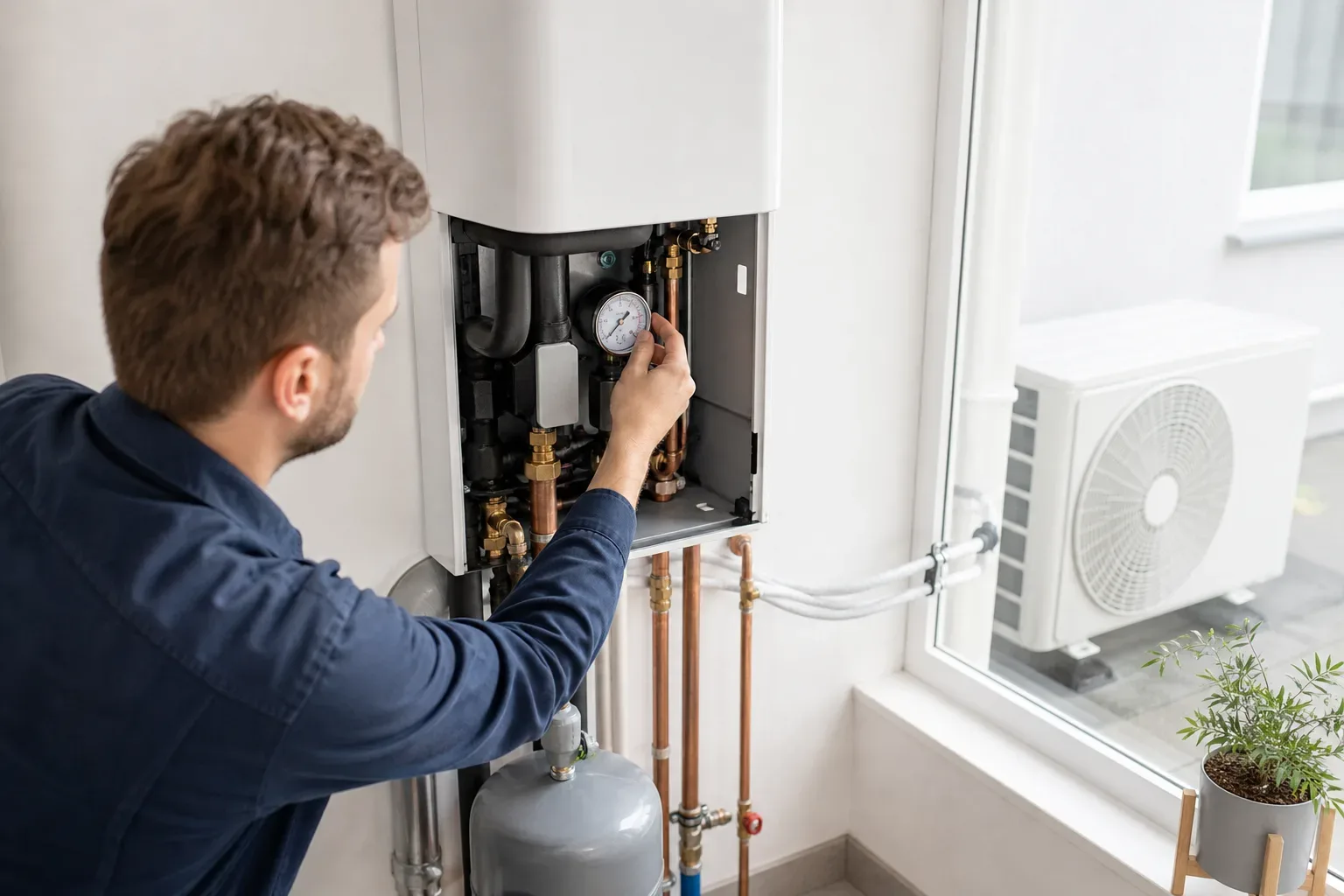
An air source heat pump extracts thermal energy from outdoor air and transfers it indoors, even when temperatures drop below freezing. It works on the same principle as a refrigerator, only in reverse. The system uses electricity to move heat rather than generate it, which is why a well-sized unit can deliver two to four units of heat for every one unit of electricity consumed. That ratio is called the coefficient of performance, or COP.
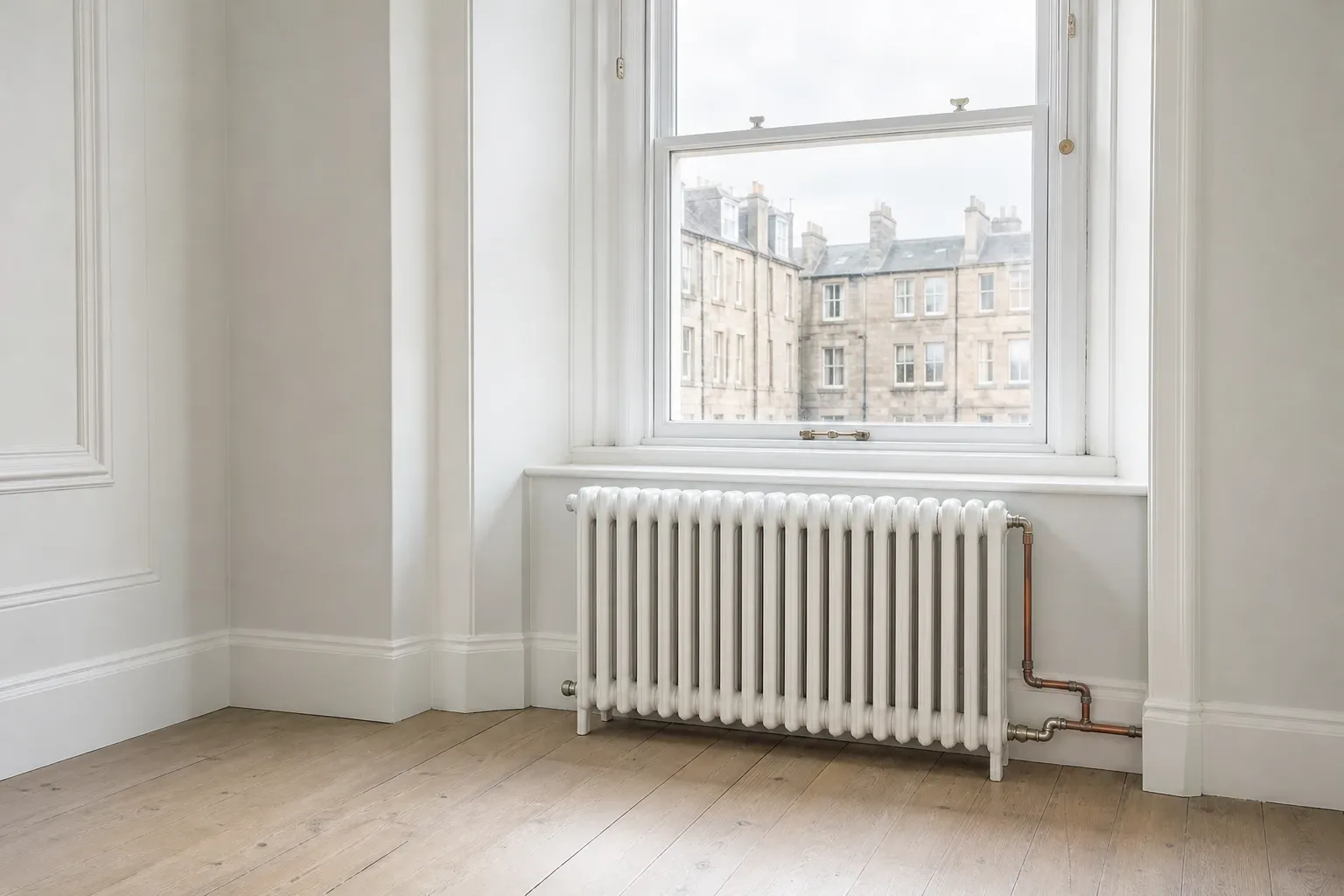
Unlike a gas boiler, which fires on demand and produces high-temperature water quickly, a heat pump runs at lower flow temperatures, typically 35–55°C, for longer periods. That steady, lower-temperature output suits underfloor heating and oversized radiators well. Standard-sized radiators in an older Edinburgh flat may need upgrading to compensate.
Heat Pump Installation Edinburgh - What It Costs
An air source heat pump supply and fit in Edinburgh typically costs £8,000–£15,000 before any government grants. The Boiler Upgrade Scheme currently offers a grant to reduce that upfront figure; check the current grant value with your installer or directly with Ofgem, as the amount can change between policy cycles.
Total installed cost depends on the property's heat loss calculation, pipework modifications, radiator upgrades, and whether the electrical supply needs reinforcing. Homes that already have underfloor heating or a wet underfloor system in a newer build generally face lower additional costs. An older sandstone terrace in Morningside or Leith requiring full radiator replacement and loft insulation work will sit toward the higher end of that range.
How This Compares to a New Gas Boiler
A combi boiler supply and fit runs £1,800–£3,500, and a system boiler with cylinder runs £2,200–£4,000. The capital cost gap is significant. The running cost calculation is more nuanced: heat pumps use electricity, which costs more per unit than gas, but they consume considerably less of it per unit of heat delivered. If electricity-to-gas price ratios narrow further, as many analysts expect, the ongoing cost advantage of heat pumps improves over time.
Is Edinburgh Suitable for Heat Pumps?
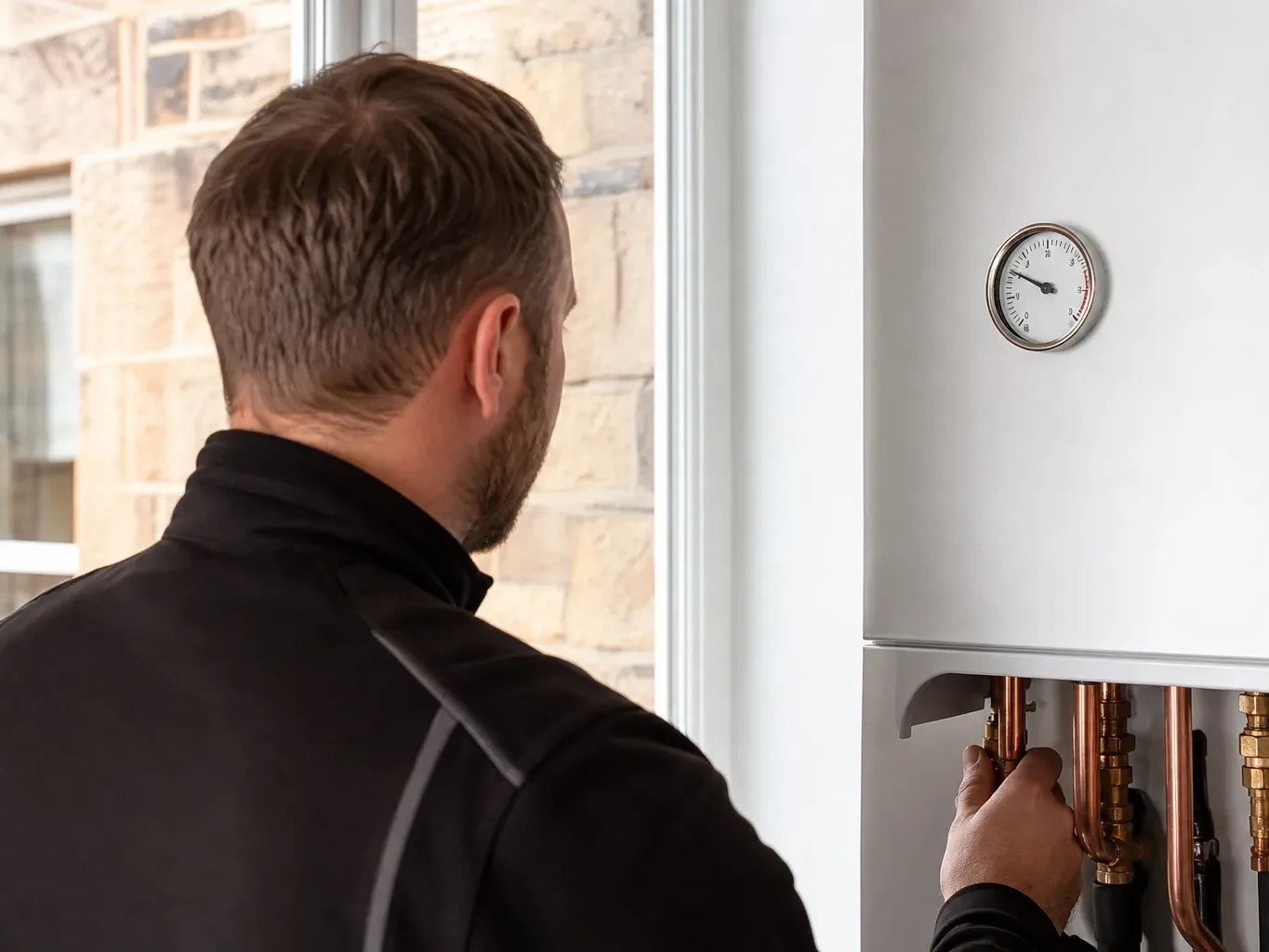
Edinburgh's climate is a reasonable fit for air source heat pumps, but property type matters far more than local temperature. The city averages winter lows around 1–3°C, well within the operating range of modern units. Cold snaps below -10°C are rare and brief.
What limits heat pump viability in Edinburgh is more often building fabric than weather. A poorly insulated 1920s semi-detached house will bleed heat faster than the pump can replace it at low flow temperatures. Before any installation, a surveyor should carry out a room-by-room heat loss calculation. Without that assessment, neither you nor the installer can size the system correctly, and an undersized heat pump is both inefficient and uncomfortable.
Flats and Tenements - Specific Considerations
Common ownership of external walls in a tenement block complicates external wall insulation. Permitted development rights also differ in Edinburgh's conservation areas, where many category B-listed and locally listed buildings sit. Planning permission may be required for the outdoor unit. Your installer should confirm this before any equipment is ordered.
Ground source heat pumps are rarely practical in city properties without significant garden space. Air source systems, where the external unit is mounted on a wall or ground-level pad, are the realistic option for most Edinburgh homes.
What the Installation Process Involves
A typical air source heat pump installation takes two to five days, depending on system complexity and whether the property needs preparatory work. The process starts with a detailed survey covering insulation levels, existing radiator sizing, hot water cylinder requirements, and electrical capacity.
The outdoor unit is positioned where airflow is unobstructed, usually a south or west-facing wall or ground-level location. Refrigerant pipework connects it to a hydrobox or indoor unit, which then connects to the heating and hot water circuits. A new hot water cylinder is almost always required because combi-style heat pumps are uncommon; the system stores hot water rather than heating it instantaneously.
All installation work must be carried out by a Gas Safe registered engineer where gas disconnection is involved, and heat pump engineers should hold MCS (Microgeneration Certification Scheme) accreditation. MCS certification is required to access the Boiler Upgrade Scheme grant.
Running a Heat Pump Day to Day
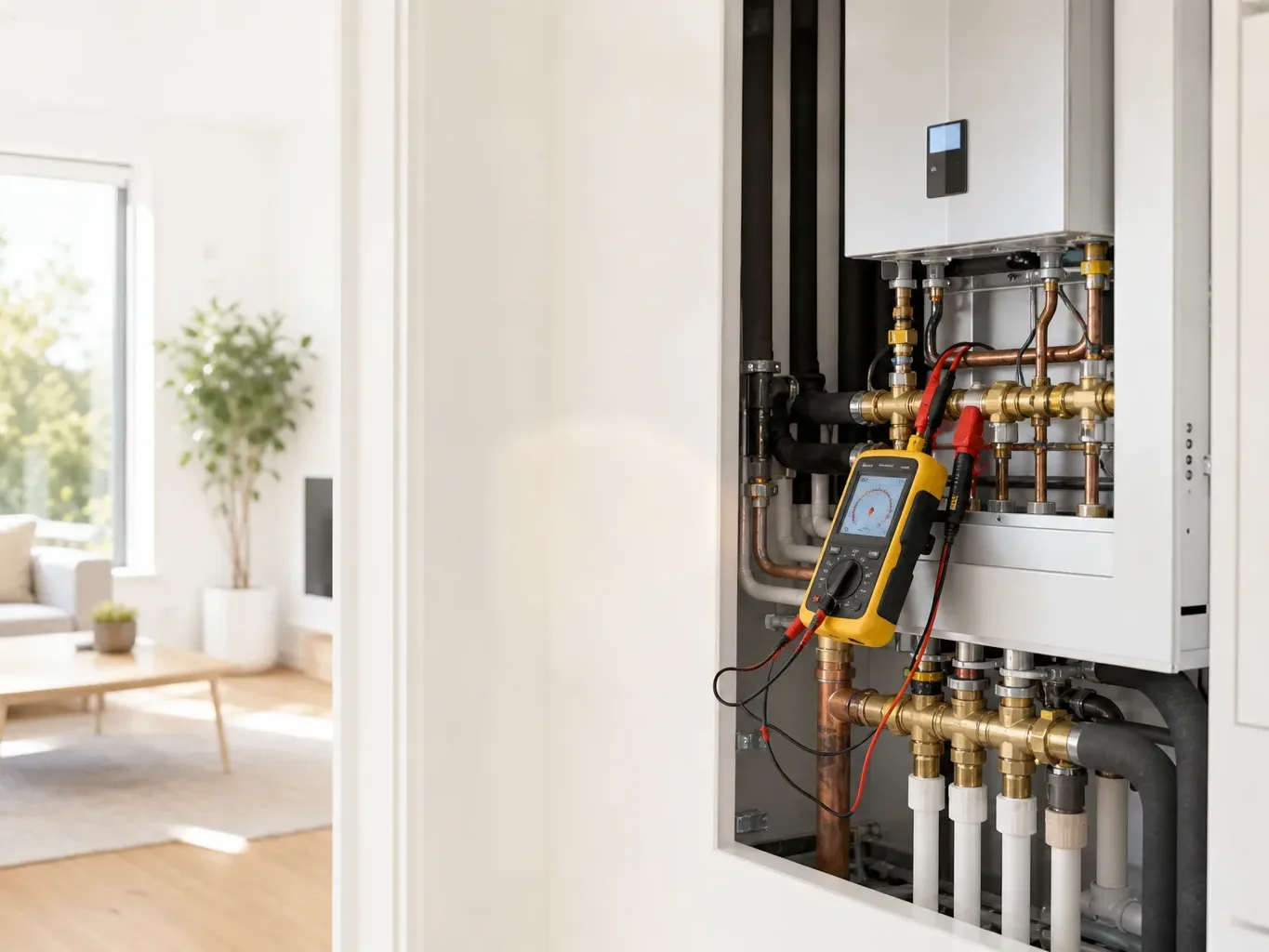
Heat pumps respond best to consistent low-level operation rather than the blast-and-off pattern many gas boiler users are accustomed to. Setting a steady background temperature and letting the system maintain it, rather than switching it on and off throughout the day, reduces electricity consumption and keeps the home more evenly warm.
Smart controls and weather compensation, which automatically adjust flow temperature based on outdoor conditions, are standard on modern units. These features meaningfully improve efficiency over a heating season. Most manufacturers provide remote monitoring via an app, so you can check performance data and spot any drop in COP before it becomes a fault.
Grants, Incentives, and Payback
The Boiler Upgrade Scheme is the primary financial incentive available to Edinburgh homeowners in 2026. It applies to owner-occupied properties in Great Britain and requires the installing company to hold MCS accreditation. Properties must also hold a valid Energy Performance Certificate with no outstanding loft or cavity wall insulation recommendations before the grant can be claimed.
Payback periods vary widely. A well-insulated property replacing an ageing, inefficient boiler may see the grant-adjusted cost recovered in eight to twelve years through lower energy bills. A property requiring substantial fabric improvements first will have a longer payback. The honest answer is that heat pumps are a long-term investment, not a quick-return switch, and the environmental case, running on increasingly decarbonised grid electricity, is as much a factor for many Edinburgh homeowners as the financial one.
Frequently Asked Questions
How Much Does It Cost to Get a Heat Pump Fitted?
Air source heat pump installation in Edinburgh typically costs £8,000–£15,000 before grants. The Boiler Upgrade Scheme can reduce that upfront figure; check the current grant amount with your MCS-accredited installer or directly with Ofgem, as the value is subject to policy changes. Final cost depends on property size, insulation levels, radiator upgrades needed, and any electrical reinforcement required.
What Are Heat Pumps?
A heat pump is a heating system that moves thermal energy from outdoor air (or the ground) into your home rather than burning fuel to create heat. Air source models extract heat from outside air even at temperatures well below freezing and use electricity to transfer it indoors. Because they move heat rather than generate it, they can deliver two to four units of warmth for every unit of electricity consumed, making them more efficient than direct electric heating.
What Is the Downside of Heat Pumps?
The main drawbacks are high upfront cost, the need for good insulation, and lower flow temperatures than a gas boiler. Older Edinburgh properties with inadequate insulation or undersized radiators may require significant preparatory work before a heat pump performs well. Electricity costs more per unit than gas, so the running cost advantage depends on how efficiently the system operates and how the electricity-to-gas price ratio moves over time. Planning permission may also be needed in conservation areas.
Is It Okay for a Heat Pump to Run All Night in Winter?
Yes, and in fact running continuously at a steady low output is exactly how heat pumps perform best. Unlike a gas boiler that heats water rapidly on demand, heat pumps are designed for longer, gentler cycles. Running overnight, particularly on an economy electricity tariff, keeps the home at a consistent temperature and reduces peak electricity draw. Switching the system off and reheating from cold is less efficient and can cause comfort problems in cold weather.
How Cold Is Too Cold to Use a Heat Pump?
Most modern air source heat pumps operate effectively down to around -15°C to -20°C, though efficiency (COP) falls as outdoor temperature drops. For Edinburgh, where winter temperatures rarely go below -5°C for extended periods, this is not a practical concern. At very low temperatures, some units use a small backup electric element to supplement output. A correctly sized system will handle Edinburgh winters without relying heavily on that backup.